









Does Ozempic Cause Muscle Loss? How To Protect Strength While Losing Weight on a GLP-1!
August 12, 2026

Please note that the information provided below is for educational purposes only and should not be considered medical advice. Always consult with a healthcare provider before starting any weight loss program or medication.

Losing weight can be exciting at first, but it can be worrying if you notice your strength going down as the scale drops. With more people using GLP-1 medications like Ozempic for weight loss, many gym-goers are now wondering: Does Ozempic cause muscle loss?
Some people notice unexpected changes with rapid weight loss, such as feeling more tired, losing strength during workouts, or having trouble keeping their muscles toned.
For example, you might find your clothes fit better but suddenly have trouble lifting the same weights or recovering after workouts. This happens because weight loss is not always just fat loss.
Keeping your muscles is important for your metabolism, healthy movement, long-term health, and feeling strong as you work toward your fitness goals.
The good news is you can lose weight and still protect your muscles.
In this article, you’ll find how strength training, good nutrition, recovery, and healthy habits can help you stay strong as you reach your goals.
Losing weight can seem great at first, but it’s less fun if your workouts feel harder, your energy drops, or you notice you’re not as strong as before.
In reality, weight loss from GLP-1 medications like Ozempic usually includes both fat and lean mass. Research in the International Journal of Obesity found that some of the weight lost with these medications can come from lean tissue, including muscle.
Experts have also pointed out that muscle loss with Ozempic can be more noticeable if people aren’t strength training or eating enough protein during fast weight loss.
This doesn’t mean Ozempic is always bad for your muscles. Often, muscle loss is linked to lifestyle habits during weight loss. Many people eat less because their appetite drops, which can make it harder to get enough nutrients to keep muscles strong.
Imagine someone skipping meals, not eating enough protein, and only doing cardio to lose weight quickly. The scale might go down, but their strength, recovery, and muscle tone can also drop.
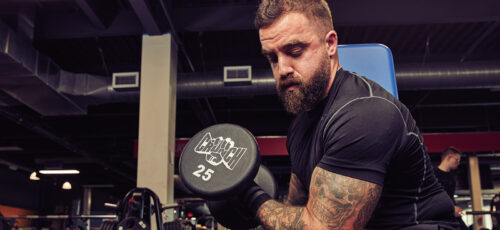
You can prevent muscle loss while taking Ozempic. By focusing on resistance training, eating enough protein, and learning how to keep muscle, you can protect your strength and support healthy fat loss.
In the end, learning how to keep your muscles while losing weight can help you feel stronger, healthier, and more confident during your journey.
Most people focus on losing body fat when they think about weight loss. But your body can also lose lean muscle, especially if you lose weight too quickly or don’t get enough strength training and nutrition.
When you eat fewer calories than you burn, your body uses stored energy. Ideally, this comes from fat. But if you don’t get enough protein or do regular strength training, your body might also break down muscle for fuel.
This can lead to changes like:
For example, someone might lose weight quickly by dieting hard or doing too much cardio, but then find they can’t lift as much or recover as fast between workouts.
Muscle does more than just affect how you look. It supports your metabolism, posture, joint health, and long-term wellness. That’s why keeping muscle during weight loss is so important.
Several habits can increase the risk of muscle loss during weight loss, including:
To get better results, combine your weight loss plan with strength training, good recovery, and balanced nutrition. Resources like “The Ultimate Protein Diet Plan,“ “Beginner’s Guide to Strength Training,” and “The Importance of Recovery” can help you build healthy habits and protect your muscles.
When people start losing weight on Ozempic, they often focus on the scale. But the number doesn’t tell the whole story. Sometimes, you lose both fat and muscle, so it’s important to watch your strength, energy, and body composition too.
A common sign of muscle loss is when your physical performance drops. Exercises that used to feel easy may get harder, recovery might take longer, or daily tasks may feel more tiring. Some people also notice their body looks smaller but less firm or defined.
One way to track changes is to look at areas that naturally have less fat, like your shoulders, arms, calves, and legs. If these areas shrink quickly and you feel weaker, you might be losing muscle along with fat.
Tracking your body composition can give you a better idea of your progress. Smart scales and fitness assessments can estimate muscle mass, body fat, hydration, and other helpful numbers beyond just your weight.
If you notice major weakness, fatigue, fast muscle loss, or big physical changes while taking Ozempic, it’s best to see a doctor, dietitian, or fitness professional. They can help you make a safer plan to protect your muscles, improve your nutrition, and support healthy weight loss.
When you start losing weight on Ozempic, it’s tempting to celebrate a lower number on the scale. But not all weight loss is the same. Losing body fat is good, but losing too much muscle can make you feel weaker, more tired, and less energetic.
A 2025 study found that some people taking semaglutide lost lean muscle during weight loss, especially if they didn’t eat enough protein or do strength training. In other words, skipping workouts and not getting enough protein can hurt your long-term results.
Muscle helps your body burn calories all day, even when you’re resting. It’s like your body’s engine; the more muscle you have, the better your body uses energy. Losing too much muscle can make it harder to keep weight off in the long run.
Your muscles also help control blood sugar and insulin. This is especially important for people with Type 2 diabetes or other metabolic health issues. Strong muscles mean a stronger metabolism.
Strength training isn’t just for building muscle. It also supports bone strength, joint stability, and good movement. This is especially important during fast weight loss, when your body is changing quickly.
Muscle helps you with everyday tasks you might not think about, like carrying groceries, climbing stairs, lifting luggage, playing with your kids, or finishing a workout without feeling worn out.
In the end, successful weight loss means losing fat while keeping your body strong, healthy, and able to move well. Good nutrition, strength training, recovery, and consistency all help with this.
Discover: Cardio vs. Ozempic for Sustainable Weight Loss: What the Research Shows
Protein is key to keeping and repairing muscle. Since GLP-1 medications often lower your appetite, many people end up eating less protein than they need, which can lead to muscle loss during rapid weight loss.
Eating protein-rich foods like chicken, fish, eggs, Greek yogurt, tofu, beans, or protein shakes can help keep your muscles strong.
For more ideas on getting started, check out: How to Lose Weight Safely & Keep it Off: Diets, Exercise, Sleep & More and The Secret to a Healthy Diet Plan
Eating too little for a long time might make you lose weight faster, but it also raises the risk of losing muscle. Very low-calorie diets don’t give your body enough fuel for muscle recovery, workouts, or daily energy. A balanced, steady calorie deficit is usually better for the long run.
Learn more about: What Activities Burn the Most Calories?
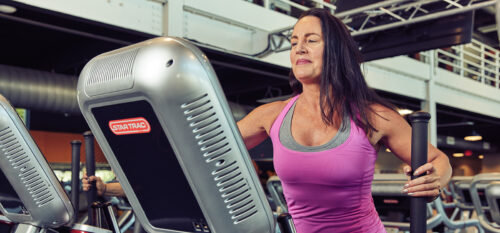
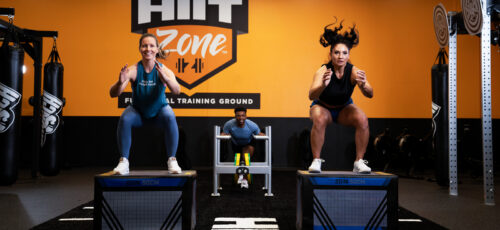
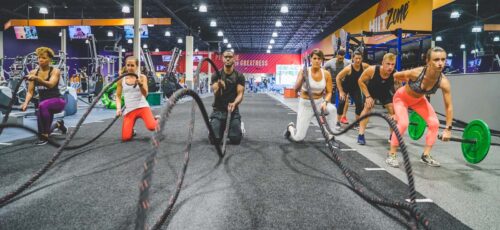
Cardio helps your heart, endurance, and fat loss when you combine it with strength training. Activities like walking, cycling, rowing, or intervals add balance to your routine. Classes like Crunch Fitness HIITZone, Ride, Tabata HIIT, or dance options like Zumba can keep workouts fun and help you stay active.
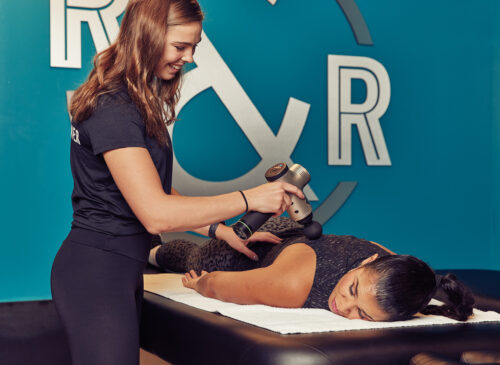
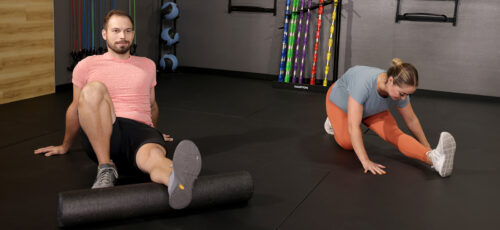
Recovery is just as important as training. Getting enough sleep, staying hydrated, and managing stress all help your muscles repair and improve your performance. Activities like yoga, mobility classes, stretching, or active recovery days can help your body adjust and keep your strength during weight loss.
Read more: What’s the Difference Between Muscle Mobility vs Flexibility and Why Does the Body Care?
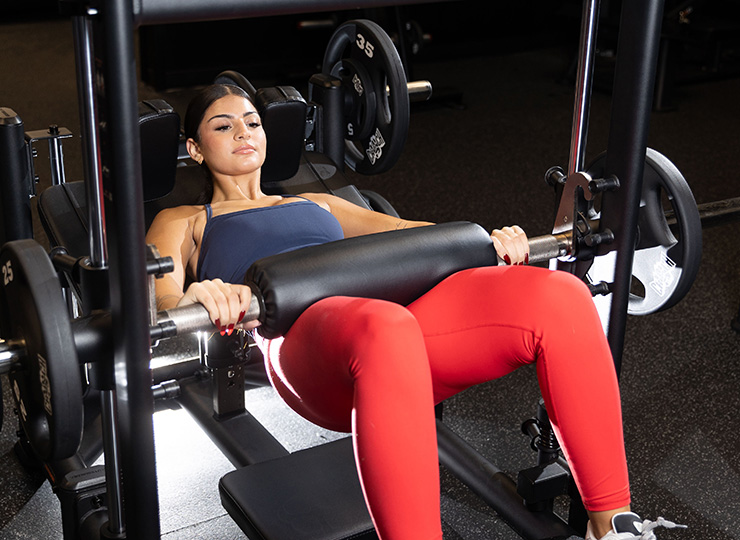
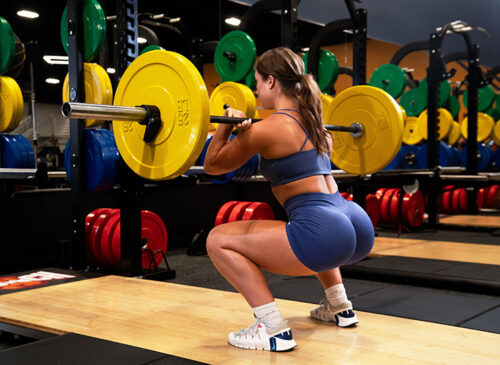
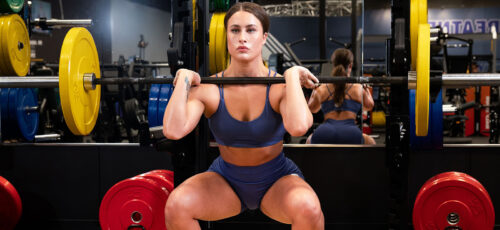
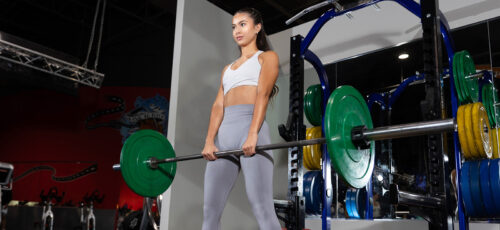
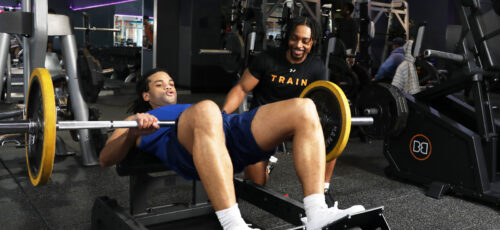
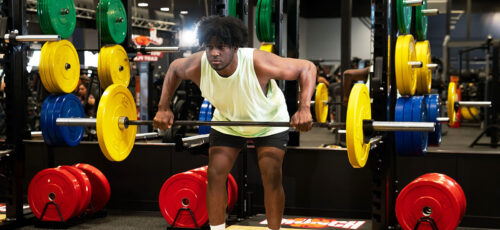
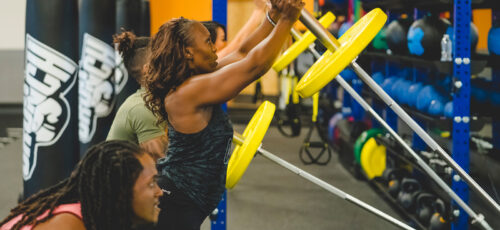
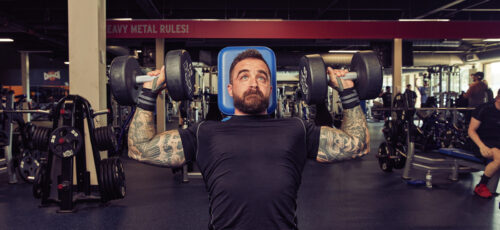
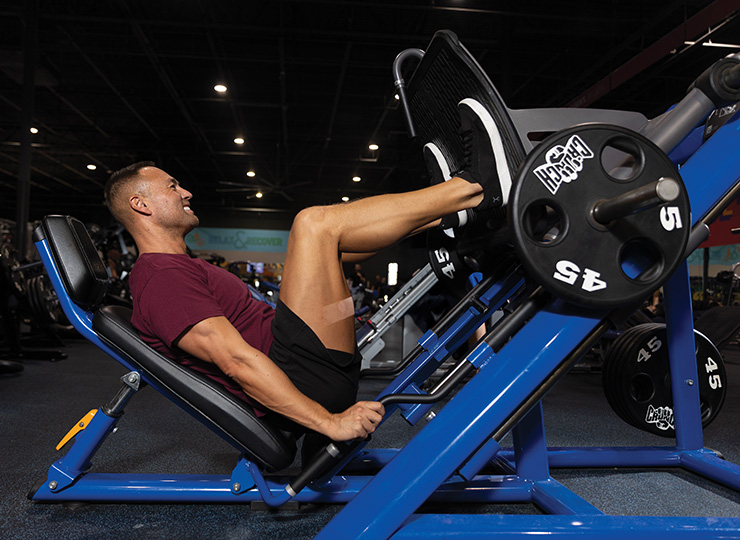
A good routine should include full-body strength training, gradually increasing the weight you use, making time for recovery, and staying consistent. This means working your main muscle groups regularly and slowly adding more resistance as you get stronger.
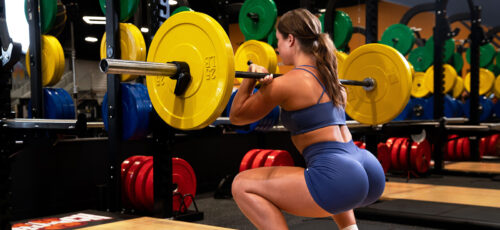
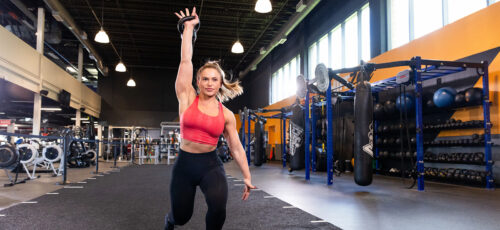
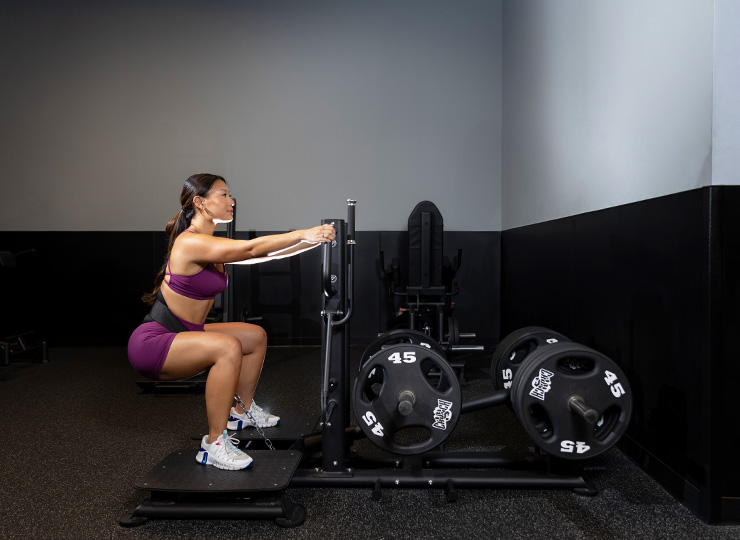
Compound exercises are great for keeping muscle because they work several muscle groups at the same time and help you stay strong overall.
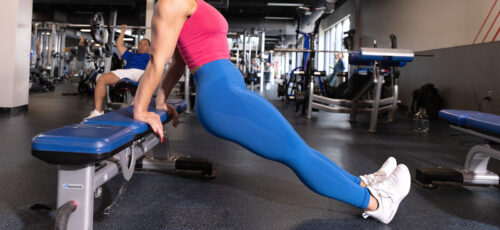
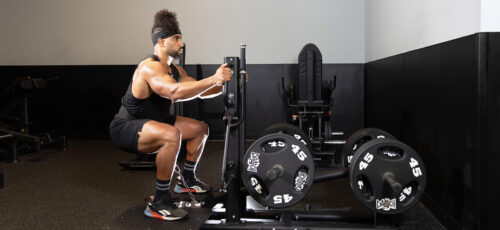
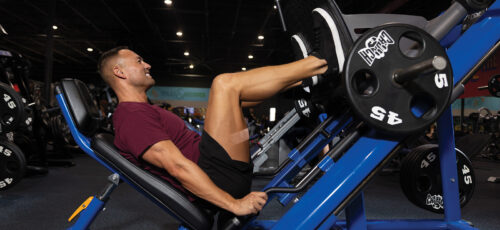
Some of the most effective exercises include:
These exercises work your bigger muscle groups and also help with balance, coordination, and everyday movements.
For most people, working out 2 to 4 times a week is enough to keep muscle while losing weight. Full-body workouts are usually the simplest and easiest to stick with, especially if you’re just starting out.
A simple starting point may include:
The goal is to challenge yourself without overdoing it. Being consistent is much more important than being perfect.
Muscle recovery is extra important during weight loss because your body has less energy to work with. Getting enough sleep, staying hydrated, eating enough protein, and taking rest days all help your muscles recover and adjust after workouts.
Many people find it easier to stick with their workouts when they have guidance and support. Classes like Crunch Fitness HIITZone, BodyWeb with TRX®, Barbell Bound, and Total Body Conditioning help members build strength and keep workouts interesting and organized.
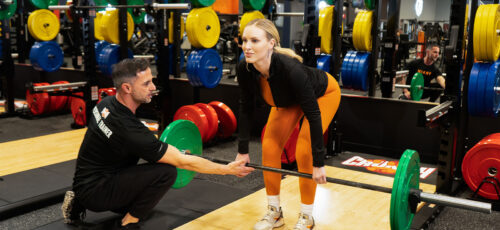
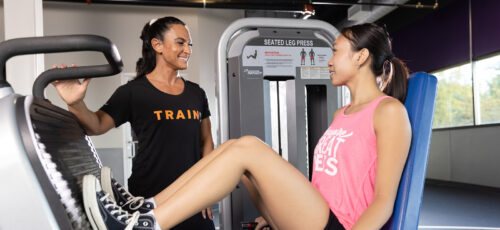
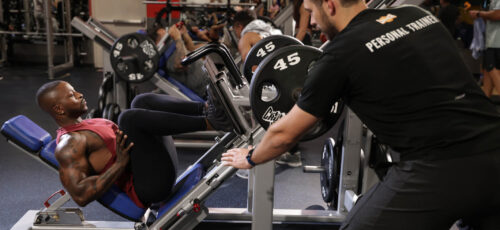
If you’re new to this, working with a certified personal trainer can help you make a safe, realistic plan to keep your muscles while losing weight. The best routine is the one you can stick with over time.
Losing weight while taking Ozempic does not mean you have to lose strength, too. Building the right habits can help support fat loss while protecting lean muscle mass throughout the process.
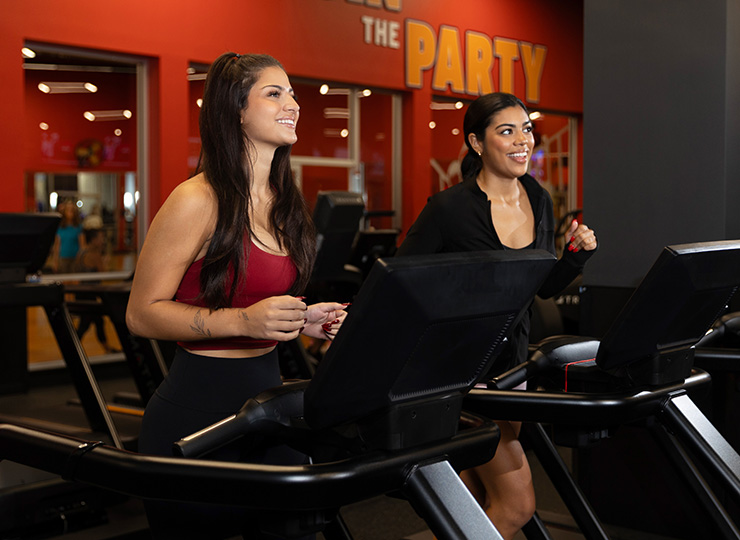
Everyone’s weight loss journey is different, especially for those using GLP-1 medications like Ozempic. That’s why having structure, support, and guidance can really help you keep your muscles and stay on track.
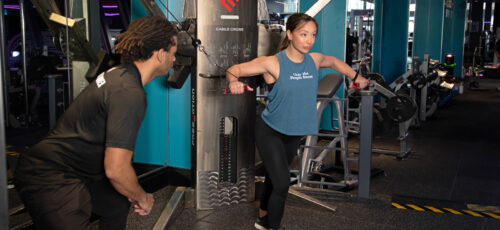
Certified personal trainers can help you make a workout plan that keeps you strong, improves your movement, and supports steady fat loss. Instead of guessing what to do, you can follow a plan that fits your experience and goals.
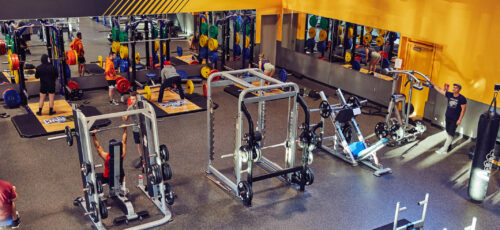
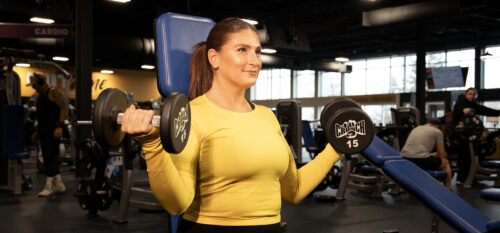
Whether you like machines, dumbbells, barbells, cables, or functional training, Crunch has equipment for both beginners and experienced gym-goers. This variety helps you keep challenging your muscles and makes workouts more interesting.
It’s easier to stay consistent when workouts are fun and motivating. Group fitness classes can help you stay active, build strength and endurance, and keep you accountable in a supportive setting.
Crunch promotes a culture of positivity, inclusivity, and fun with no judgments by providing an environment for all individuals, regardless of their health and fitness goals. Find a Crunch gym near you to try our free trial membership, or join Crunch now. We’re here for you – at the gym or at home. Access the best live & on-demand workouts anytime, anywhere with Crunch+. Ready to get sweaty? Try hundreds of workouts for free! Start your free trial now!
Yes, you can often improve muscle loss from Ozempic by sticking to regular strength training, eating enough protein, and allowing your body to recover. It may take some time, but resistance exercises and good nutrition can help you rebuild lean muscle.
To keep your muscles while taking Ozempic, make regular strength training a priority, eat enough protein, and avoid cutting calories too much. Sticking to steady workouts and nutrition makes it much easier to maintain muscle during weight loss.
Most people can maintain muscle by doing strength training two to four times a week. Full-body workouts with weights, machines, or resistance bands are usually enough to help prevent muscle loss while losing weight.
Protein needs are different for everyone, but many active adults try to include protein with every meal to help keep their muscles. A doctor or registered dietitian can help you figure out the right amount for your body, goals, and activity level.
Protein supplements may help if Ozempic lowers your appetite and makes it difficult to eat enough protein through regular meals. Protein shakes or powders can support muscle recovery and help maintain lean muscle during weight loss, but it’s always a good idea to check with a doctor or registered dietitian before adding supplements to your routine.
Ozempic can lower your body fat and overall weight. But if you are not doing strength training or eating enough protein, you might also lose some lean muscle.
Some people gain weight back after stopping Ozempic, especially if they do not keep up healthy habits. Regular strength training, balanced eating, good sleep, and lasting lifestyle changes can help you maintain your weight.
Ozempic can help some people control blood sugar and lose weight, but long-term effects are different for everyone. It is important to work with your doctor to keep track of your health, nutrition, and muscle.
The best gyms for strength training and weight loss have free weights, machines, areas for functional training, cardio equipment, and helpful coaches. A friendly atmosphere and regular workout options can also help you stay motivated.
Many gyms have certified personal trainers who can make workout plans for fat loss, strength, and maintaining muscle. Personal training is especially helpful for beginners or anyone starting fitness while using weight loss medications.
Gyms that offer lots of dumbbells, barbells, resistance machines, cable stations, and spaces for functional training are great for building and keeping muscle. Having different equipment also makes workouts more interesting and challenging.