









How Often Should I Meet with a Personal Trainer? | Crunch Fitness
May 20, 2026
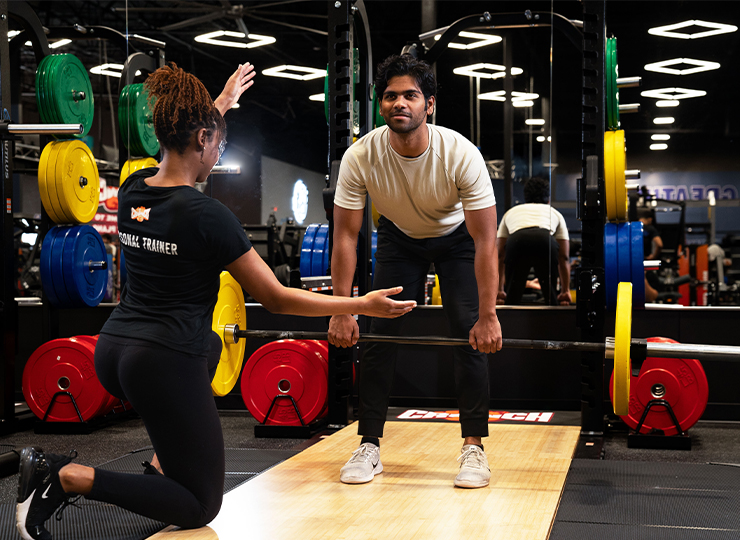
One of the most common questions people ask before starting personal training is how often you should see a personal trainer. The answer isn’t the same for everyone. Your ideal training schedule depends on your fitness goals, experience level, lifestyle, recovery, budget, and how much support you want along the way.
Some people do well meeting with a trainer several times a week, while others make great progress with fewer sessions and some workouts on their own. The most important thing is to find a routine that fits your life and goals, not just to pick the most sessions.
This guide will help you figure out how often to schedule personal training sessions for different goals. We’ll cover what to consider when deciding, share tips to get the most from your workouts, point out common mistakes, talk about typical costs, and show how Crunch trainers help members build confidence and see real results.
Let’s find the training schedule that fits you best.

One of the biggest misconceptions about personal training is that there’s a magic number of sessions everyone should follow. As we mentioned earlier, the ideal schedule depends on your goals, experience, recovery, and lifestyle.
Some people thrive with one session a week, while others benefit from meeting with a trainer two or three times weekly, especially when they’re just getting started.
A Sports Medicine review found that people stick to fitness programs better when they exercise with supervision than when they go it alone. Having a coach can help you stay consistent, and consistency is key for long-term success.
As researchers Paola Gómez-Redondo, Pedro L. Valenzuela, Javier S. Morales, Ignacio Ara, and Asier Mañas concluded in their systematic review, “supervised exercise may offer certain advantages over unsupervised exercise in enhancing physical function and well-being outcomes.”
Having a coach can help you stay on track, and being consistent is one of the best ways to reach your goals over time.
Think of your trainer as a guide rather than someone you only exercise with. They help you build a personalized plan, teach proper technique, monitor your progress, and adjust your workouts as your fitness improves.
On days you’re not with your trainer, you’ll keep making progress by following your own program. If you’re new to fitness, check out our Beginner’s Guide to Strength Training for a solid start, or read How to Find the Perfect Personal Trainer for Me to pick a coach who matches your goals and style.
If your goal is weight loss, most beginners do well meeting with a trainer two or three times a week. More sessions help you build good habits, stay accountable, and make sure you’re doing exercises the right way.
For example:
Keep in mind, weight loss is more than just burning calories during workouts. Your trainer can help you build lasting exercise habits, suggest realistic ways to progress, and keep you consistent even outside the gym. For a balanced routine, try pairing your sessions with What’s the Best Gym Routine for Weight Loss? and How to Use Resistance Training for Weight Loss .
Building muscle isn’t just about lifting heavier weights each week. You also need to focus on gradually increasing your workload, recovering well, and using good technique.
For most people, one to two personal training sessions each week is enough to:
You’ll usually do extra strength workouts on your own, following the plan your trainer gives you. If you’re not sure whether to focus on building size or strength, check out Hypertrophy vs. Strength Training – Which Approach Should You Choose? For more ideas, see What’s the Most Effective Strength Training Program for Women? or The Most Effective Full-Body Strength Routine.
Going to the gym for the first time can feel overwhelming. You might wonder which machines to use, how many sets to do, or if your form is right.
This is where personal training can really help.
In your first few weeks, try scheduling two or three sessions each week to build confidence and learn the basics.
A trainer can help you:
After a month or two, many beginners feel ready to cut back on sessions and keep following their trainer’s program on their own. If you’re not sure about different equipment, Gym Machines vs. Free Weights – Pros, Cons, and Typical Use Cases can help you decide what’s best for you.
Experienced gym-goers don’t always need frequent supervision, but that doesn’t mean personal training stops being valuable.
Many advanced exercisers schedule one session every week, every other week, or even once a month to:
Even experienced athletes can benefit from a trainer’s expertise. If you want new challenges, check out Barbell vs. Dumbbell Training: Which Builds More Strength? and Top 5 Core Gym Workouts for Getting a 6-Pack Quickly for ideas to take your workouts further.
If you’re training for a specific event, you’ll often need more personalized coaching.
Whether you’re training for:
Working with a trainer two or three times a week can help you train smarter and lower your risk of overtraining or injury.
Your trainer can tailor each workout to your event, adjust your training volume as competition approaches, and make sure your strength program supports your performance. For runners, Strength Training for Runners: Routines & Exercises and Strength Training for Cyclists – How to Build Power Without Slowing Down provide additional guidance on sport-specific training.

There’s no single answer for how often you should meet with a personal trainer. General advice can help, but the best schedule is the one that fits you.
Here are the biggest factors to consider when deciding how often to work with a personal trainer.
If you’re new to strength training, you’ll likely benefit from more frequent sessions at the beginning. A trainer can teach proper form, explain how different equipment works, and help you build confidence before you start exercising independently.
Different goals require different levels of coaching and accountability.
For example:
The more specific or challenging your goal is, the more valuable regular feedback from a trainer can become.
If your work schedule changes a lot, trying to fit in four sessions a week might feel stressful instead of motivating. Scheduling one or two sessions that always fit your calendar is usually easier to stick with.
Personal training should fit into your life, not compete with it.
Your body needs time to repair and adapt after challenging workouts. Recovery depends on several factors, including:
If you’re always tired or sore, adding more sessions might not help. Often, better recovery habits lead to better results than just doing more workouts. Check out How to Recover From Intense Workouts to get the most from each session.
Personal training is a great investment in your health, but your schedule should also match what you’re comfortable spending.
Fortunately, you don’t have to train several times a week to see meaningful progress. Many people achieve excellent results by meeting with a trainer once a week while following a customized workout plan on their own between sessions.
The goal isn’t to book as many sessions as you can, but to build a routine you can stick with over time.
Some people enjoy working out alone, while others find it easier to stay committed when they know someone is waiting for them at the gym.
Ask yourself:
If you said “yes” to any of these, meeting with a trainer more often might give you the accountability you need. If you’re still unsure about coaching, Is a Personal Trainer Really Worth It? goes into more detail about the benefits.
Previous injuries shouldn’t stop you from exercising, but they should influence how your program is designed.
A good personal trainer can change exercises, adjust how much you do, and suggest movements that help you work around any limits while still making progress.
Regular check-ins are especially valuable if you’re returning to exercise after time away or rebuilding confidence following an injury.
Read more: Can A Personal Trainer Help Me Rehabilitate an Injury?
Your job, family responsibilities, travel schedule, hobbies, and daily stress all affect how much time and energy you can dedicate to exercise.
For example, a parent balancing work and childcare may find one well-planned personal training session each week more realistic than three. Someone training for their first marathon may temporarily increase their coaching frequency leading up to race day.
The best effective training plan is one that fits your life, not one that looks perfect on paper. As your goals and circumstances change, your personal training schedule can change with them, ensuring you continue making steady, sustainable progress.
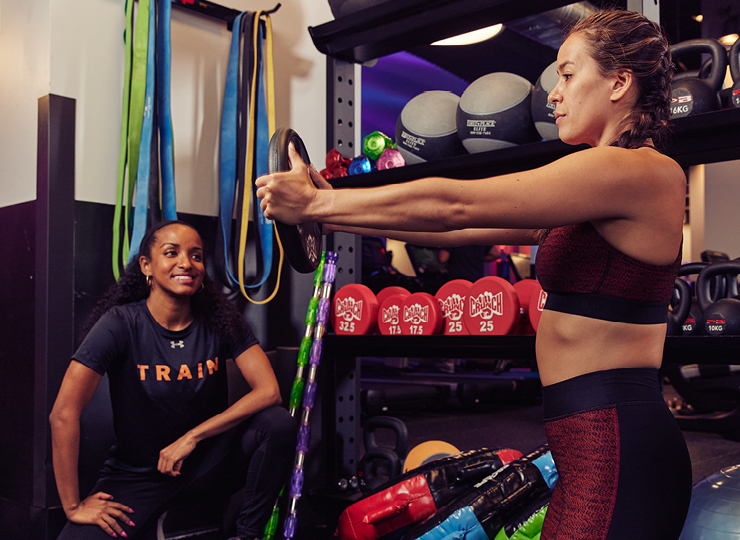
Working with a personal trainer is a smart way to reach your fitness goals, but your progress depends on more than just what happens in one session. The habits you build before, during, and after each workout matter just as much.
Your personal training sessions are the base of your program, but real progress comes from staying active between appointments. Do the workouts your trainer gives you and make movement a regular part of your week.
Don’t just focus on losing a set number of pounds or lifting a certain weight. Celebrate the small milestones you reach along the way.
Examples include:
Small wins help you build momentum and stay motivated.
Exercise works your muscles, but it’s during recovery that your body adapts and gets stronger.
Support your recovery by:
Your trainer can only tailor your program if they know what’s going on outside the gym.
Tell them if:
Talking openly with your trainer helps them make changes so you keep making safe progress.
Results aren’t always visible in the mirror.
Keep track of improvements such as:
Looking back at where you started can be incredibly motivating.
Lifting more weight isn’t the only way to see progress. Learning the right way to move lowers your risk of injury and gives you a better base for future gains.
Good form and quality movement are almost better than lifting heavier with poor technique.
Fitness is a long-term journey. Some weeks you’ll see big changes, and other weeks might feel slower. What matters most is that you keep showing up.
Being consistent for months is much more important than being perfect for just a few weeks.
Even with a great coach, some habits can slow your progress. Avoiding these mistakes helps you stay on track, feel less frustrated, and get more out of every session.
Each session is a chance to learn, improve your technique, and get closer to your goals. Showing up with a positive attitude can make your workouts even better.
Before each session:
During your workout:
After your session:
If you’re interested in learning more about choosing the right coach, explore How to Find the Perfect Personal Trainer for Me and What Qualifications Should a Personal Trainer Have? to better understand what makes a great trainer and how the right guidance can support your long-term fitness journey.
The cost of personal training varies depending on where you live, a trainer’s experience, the length of each session, and whether you purchase individual sessions or a package. Across the U.S., personal training sessions commonly range from $40 to more than $100 per session, although prices can be higher in some cities or for highly specialized coaching.
Many people make excellent progress by meeting with a trainer once a week while following a personalized workout plan independently between sessions. If you’re comparing your options, our article How Much Does a Personal Trainer Cost? explains the factors that influence pricing and what to expect when investing in personal training.
At Crunch, personal training is designed for your unique goals, fitness level, and experience. Whether you’re new or want to reach the next level, Crunch trainers give you coaching that helps you make steady, long-term progress.
Crunch trainers have top certifications and keep learning new training methods. Your workouts are based on the latest science and safe techniques. Whether you’re new or have a specific goal, you’ll get guidance that’s personal, safe, and effective.
One big benefit of training at Crunch is having lots of equipment in one place. Your trainer can use free weights, machines, cardio gear, and more to keep your workouts interesting and help you keep making progress.
Your fitness journey doesn’t stop when your training session ends. Crunch offers many group classes to go with your plan, like yoga, cycling, HIIT, Pilates, dance, and strength classes. These classes give you extra motivation, help you build good habits, and make fitness fun. Personal training and group classes together create a supportive place where you can keep challenging yourself and celebrate your progress.
Crunch promotes a culture of positivity, inclusivity, and fun with no judgments by providing an environment for all individuals, regardless of their health and fitness goals. Find a Crunch gym near you to try our free trial membership, or join Crunch now. We’re here for you – at the gym or home. Access the best live & on-demand workouts anytime, anywhere with Crunch+. Ready to get sweaty? Try hundreds of workouts for free! Start your free trial now!
Yes, one personal training session per week can be enough if you stay active between sessions. Many people make steady progress by following their trainer’s workout plan and maintaining consistency throughout the week.
Yes, exercising on your own between personal training sessions is recommended. Your trainer can create a personalized workout plan, so you continue building strength, improving fitness, and reinforcing good exercise habits on non-training days. Read more: Group Fitness Classes vs Personal Training vs Exercising Alone: The Diversity of Workout Routines
Most personal training sessions last between 45 and 60 minutes, but the length can change depending on your goals and fitness level. Your trainer will make sure each session helps you get the most out of your time.
Most people start to feel stronger, more energetic, and more confident after a few weeks of regular personal training. Visible changes in muscle or weight loss usually take longer and depend on your workouts, nutrition, recovery, and how consistent you are.
Yes, personal trainers can create customized workout plans for the days you’re training on your own. This helps you stay consistent between sessions while continuing to work toward your fitness goals safely and effectively.
Yes, Crunch Fitness offers personal training for beginners as well as experienced gym-goers. Trainers provide personalized guidance, teach proper exercise technique, and create workout plans designed around your fitness level and goals.