









Top 5 Core Gym Workouts for Getting a 6-Pack Quickly
January 22, 2026
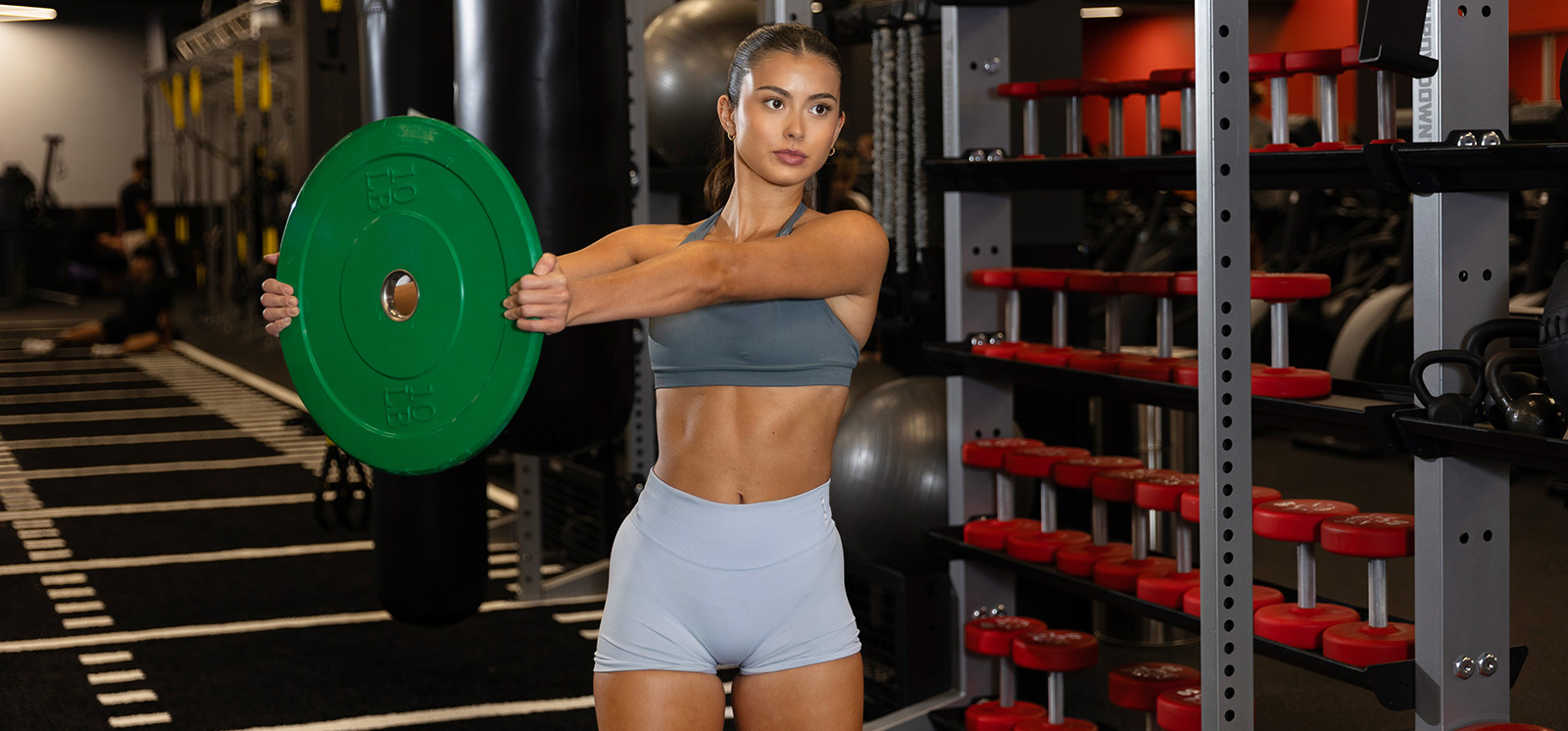
A six-pack might be what everyone notices, but a strong core does much more than just look good. Your core muscles help you lift, keep your spine stable, improve your posture, and make daily movement easier.
Here’s the fun part: the best core workouts at the gym don’t just chisel your abs; they train the deep core muscles you can’t see but definitely feel when your core suddenly engages and turns into a full-body “wow… that’s working.”
With so many ab exercises and machines out there, it can be hard to know which ones really build visible abs and true core strength. Which moves work the transverse abdominis, target the obliques, and help reduce belly fat? Which are worth your time?
This guide will help you find the answers.
We’ll cover the best core exercises, how to use good form, and how workouts, nutrition, and consistency all work together for six-pack results. If you need extra help, Crunch Fitness is here to support you.
Ready to find out which core workouts can help you get a six-pack? Let’s get started.
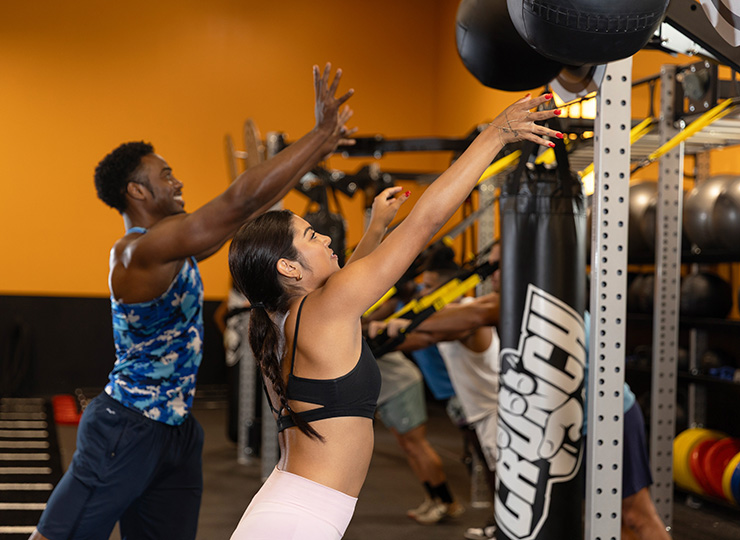
Now that you know how effective the right core workouts can be, let’s look at each exercise in detail, with helpful tips and cues.
These are not random ab moves, but targeted exercises to strengthen your deep core, shape your abs, work your obliques, and improve stability so you can move and train better.
The decline crunch is a classic exercise, and adding a weight plate makes it even better for building upper-ab strength.
Keeping the weight close to your upper body puts direct tension on your upper abs and helps prevent neck strain. Instead of just lifting up, you are doing a controlled spinal flexion, which EMG studies show increases upper-ab activation compared to swinging movements.
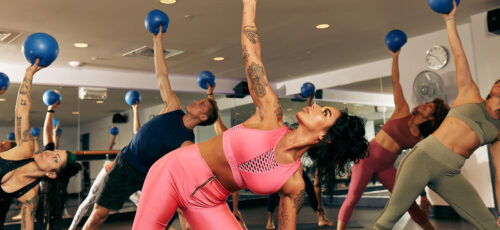
If you want a greater range of motion, try using a stability ball. The instability makes your deep core muscles work harder and lets your spine extend more than with a floor crunch.
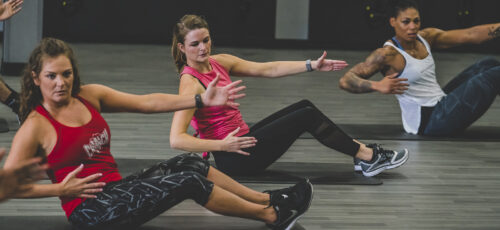
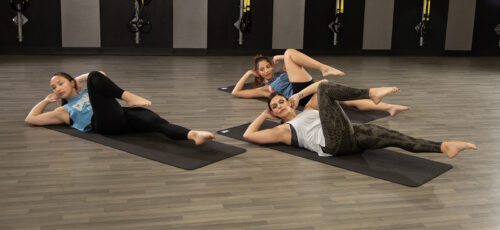
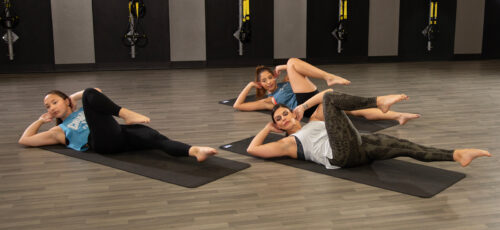
This exercise works your obliques, upper abs, and deep core muscles that help with balance, posture, and rotation.
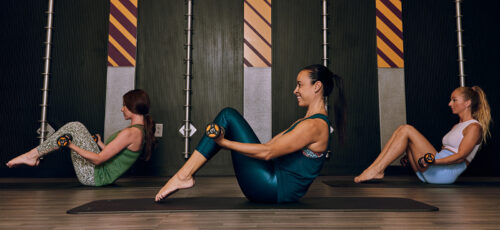
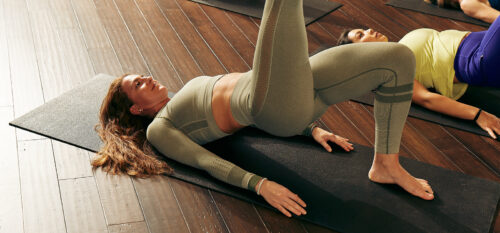
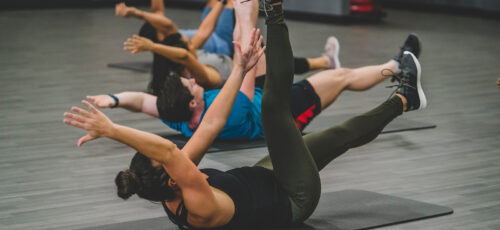
This is one of the best core exercises for your lower abs and deep core. Even elite athletes include it in their routines.
This exercise works your lower abs, hip flexors, and the transverse abdominis, which is the deep core muscle that helps brace and stabilize your spine.
This is a simple and effective way to work your upper abs without using extra weight.
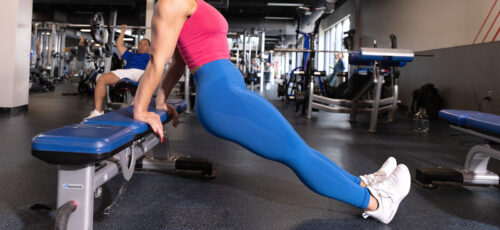
The decline angle makes the exercise harder and helps you target your upper abs without extra weight.
This exercise helps you learn what real spinal flexion feels like, which many people miss in their workouts.
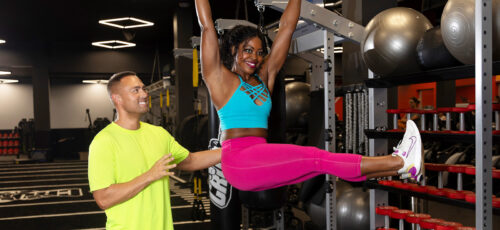
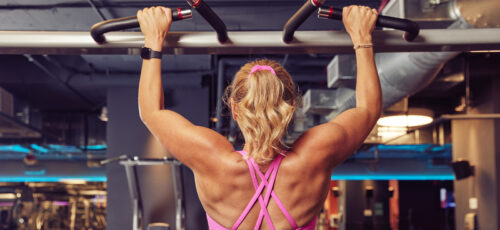
Unlike regular leg raises, this exercise focuses on spinal flexion and keeps your hip flexors from taking over. It also builds core stability without needing a strong grip, so it works for all fitness levels.
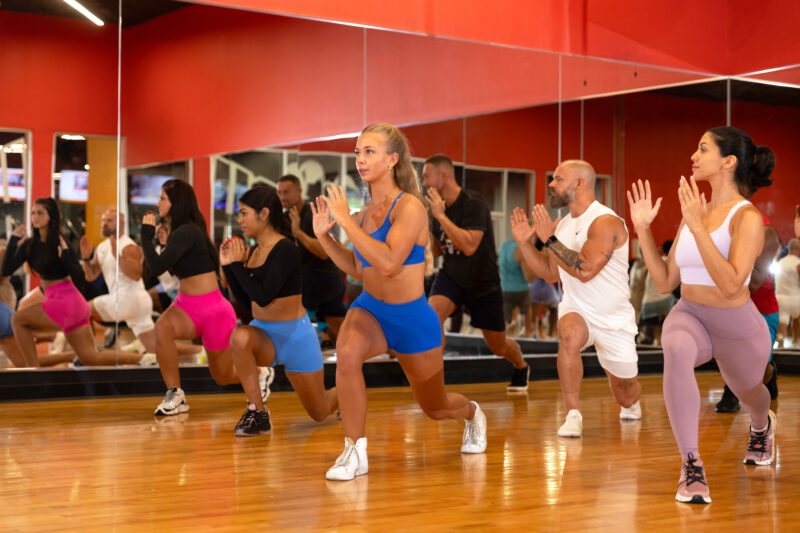
You can get a six-pack faster if you follow a smart, structured plan. There are three key steps that help reveal the core muscles you’ve been working on in the gym.
STEP 1: Follow the Six-Pack Pyramid
Think of your abs like a house; you can’t build the second floor without a solid foundation. In the Six-Pack Pyramid, that foundation is nutrition. No matter how strong your core is, visible abs won’t appear until body fat levels drop enough to uncover them.
Here’s the pyramid breakdown:
Strength training is next because building muscle boosts your metabolism and helps reduce body fat. Ab training and cardio are also important, but they work best when you have the foundation of nutrition and strength training.
STEP 2: Increase Ab Workout Frequency
Once you have good nutrition and strength training, you can increase your core workouts. Doing more frequent, focused ab exercises helps build stronger core muscles that show up better as you lose body fat. Try decline crunches, leg raises, oblique twists, and deep-core exercises.
STEP 3: Improve the Quality of Every Rep
This is where real change happens. Don’t rush through your reps; doing them well is more important than doing more.
Pro tips for better contractions:
If you follow these three steps, getting a six-pack is about being consistent, not about luck.
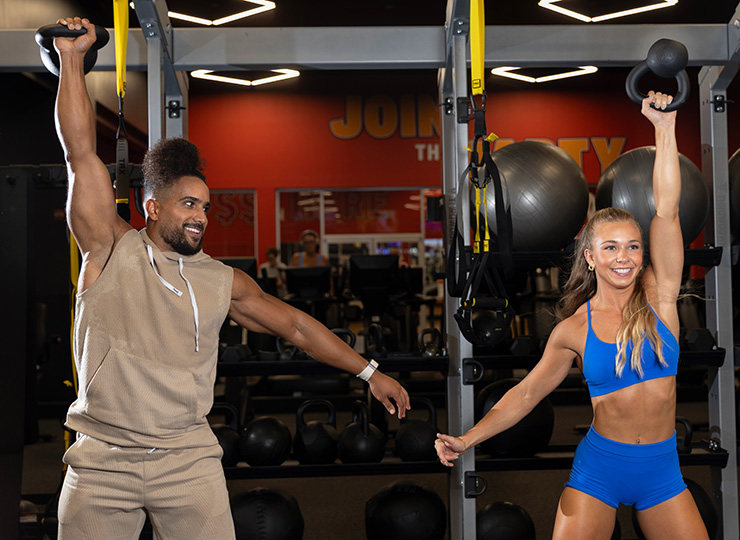
Now that you know which core workouts build real strength and definition, you might wonder, “How long until I see abs?” The answer is different for everyone, and that’s normal.
Your body fat, genetics, nutrition, and training all matter. Remember, your core muscles are already working every day. If you can’t see your six-pack yet, it’s just hidden under a layer of fat, not missing.
To see your abs, you need to build muscle and lose fat steadily. This means working your whole core, from the upper abs to the deep muscles, and supporting your training with good nutrition. For most people, the upper abs show up first, while the lower abs take longer, especially for women who store more fat in that area.
There’s no set timeline, but being consistent is key. The more focused you are with your routine, the sooner your abs will start to show.
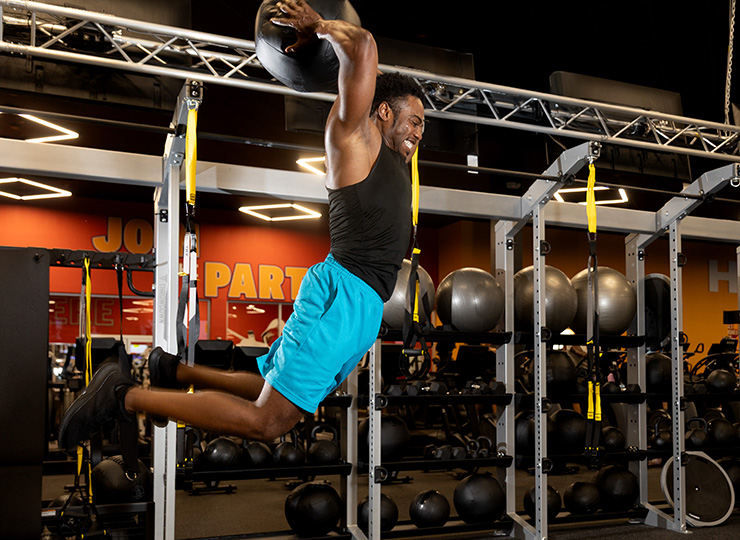
If you want visible abs, the short answer is yes—most people can get some ab definition with the right mix of nutrition, training, and consistency. Whether you see just the top lines or a full six-pack, your core muscles are already there. The real question is how much body fat is covering them.
As you lose body fat, your upper abs usually show up first. These are the ones that appear early and let you know your efforts are working. The lower abs are harder to see because both men and women naturally store more fat in the lower belly, making it the last area to lean out.
If your abs are hidden under belly fat, doing more crunches won’t make them visible yet. That’s why you need to combine core training, healthy eating, and steady fat loss.
But what about getting a full six-pack or even an eight-pack? Not everyone can achieve that, because genetics plays a big role. Some people have ab muscles that show more clearly, while others have muscle shapes that don’t create the classic blocky look.
In other words, almost anyone can get visible abs, but everyone’s abs will look different.
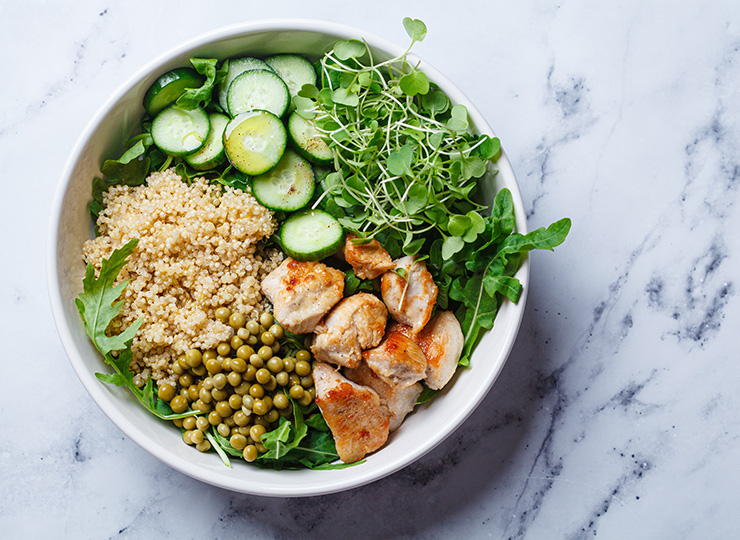
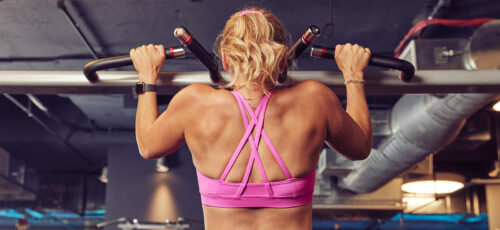
Let’s be honest; this is the part most people don’t want to hear. You can do slow, controlled reps, tough decline crunches, and hang from a pull-up bar until your grip fails, and still not see your abs. It’s not because you’re doing something wrong, but because training builds muscle and nutrition reveals it.
Everyone stores body fat in different places. Some people lose fat from the top of their stomach first and see their upper abs first. Others lose fat from their face, arms, or legs before their midsection changes. That’s due to genetics, not effort. Your body has its own way of deciding where to lose fat first.
You can build strong, dense abdominal muscles with your core training. But to make them visible, you need both muscle growth and lower body fat. That’s why nutrition is so important.
To reveal your abs, you usually need to eat slightly fewer calories than you burn—not by extreme dieting, but by eating a bit less so you lose fat slowly. Eating enough protein helps you stay full and keep your muscles.
Choosing mostly whole, less processed foods makes things easier and more sustainable. And you don’t have to cut carbs, since they give you energy for your workouts.
Strength training is also very important. Compound exercises like squats, deadlifts, and presses help you burn more calories, build muscle, and give your body a more defined look.
If you add more weight, slow down your reps, or do extra reps, you’ll build muscle even faster.
Visible abs come from a mix of good nutrition, regular strength training, deep-core exercises, and a steady calorie deficit, not from doing endless crunches.
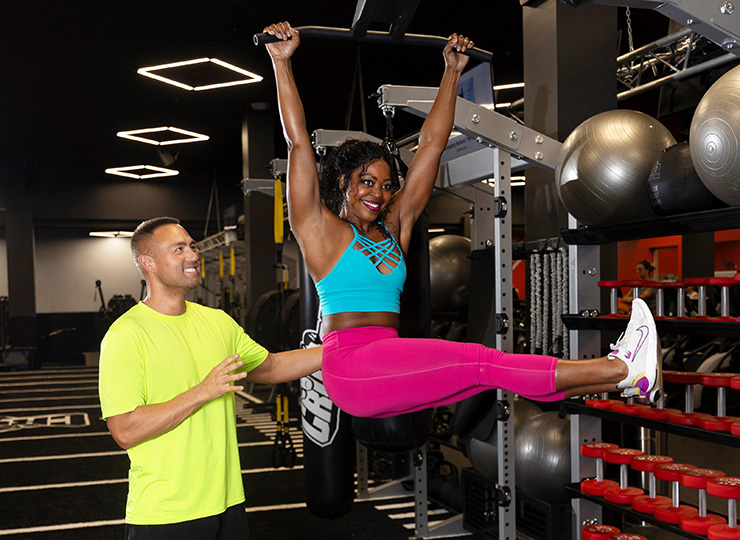
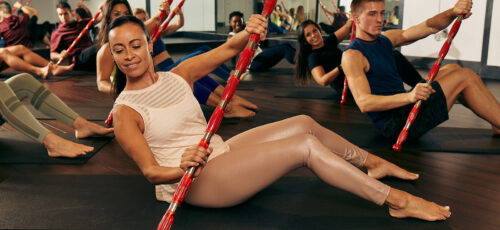
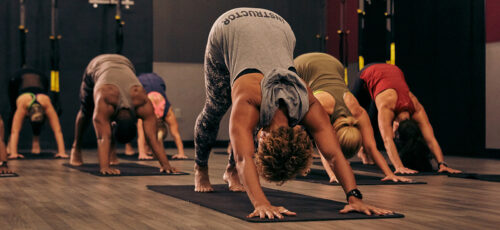
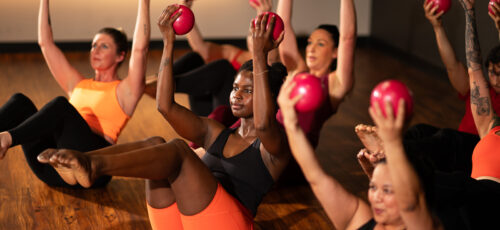
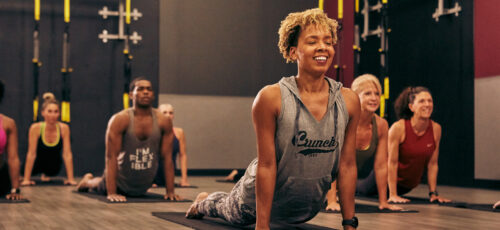
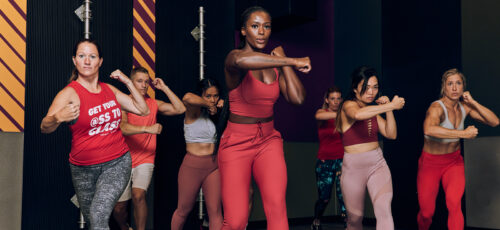
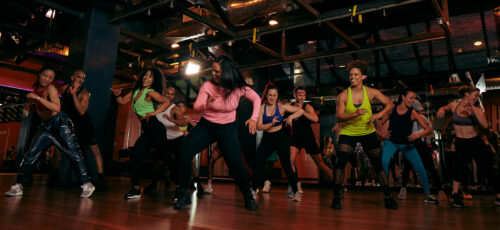
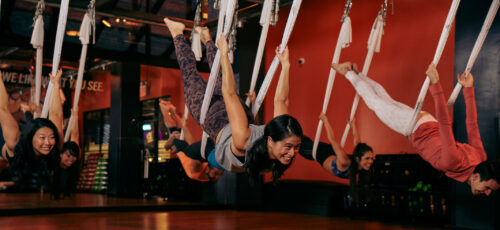
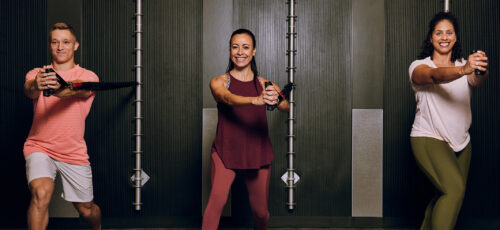
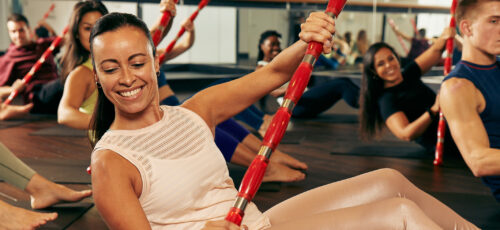
See how fun and dynamic core exercises can be at Crunch Fitness. Every class combines precision, power, and personality. Our core training classes are made to challenge your body, clear your mind, and help you move with strength and confidence.
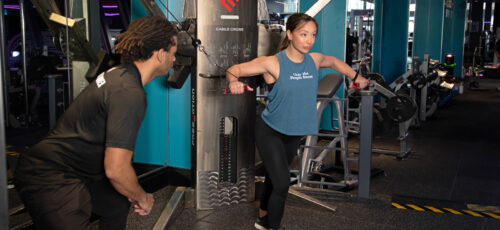
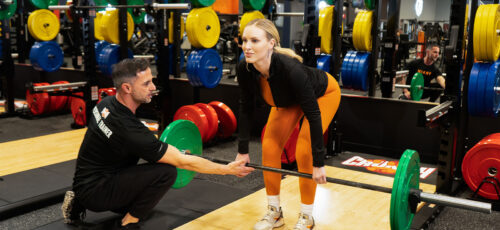
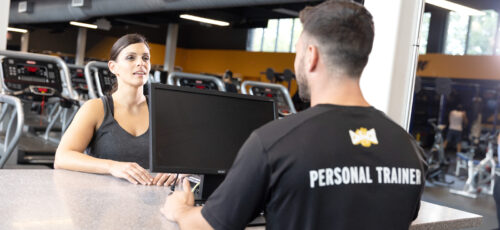
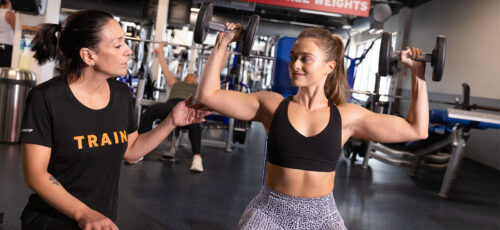
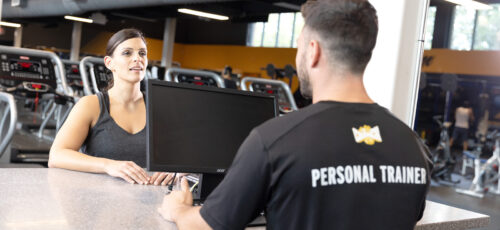
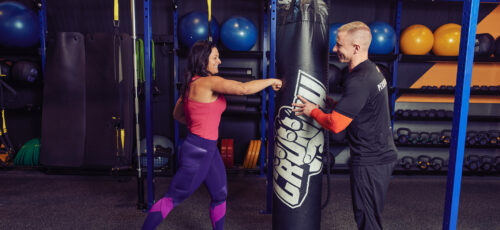
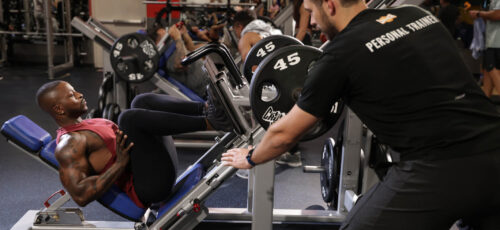
Personal trainers at Crunch Fitness help members reach their goals with customized workouts, expert guidance, and proper form coaching. They design every session around your fitness level so you get stronger, more confident, and closer to your goals.
They also keep you motivated and accountable, offering support and encouragement every step of the way. With a Crunch trainer, you’re not just working out, you’re training with purpose and seeing real progress.
Crunch promotes a culture of positivity, inclusivity, and fun with no judgments by providing an environment for all individuals regardless of their health and fitness goals. Find a Crunch gym near you to try our free trial membership, or join Crunch now. We’re here for you – at the gym or at home. Access the best live & on-demand workouts anytime, anywhere with Crunch+. Ready to get sweaty? Try hundreds of workouts for free! Start your free trial now!
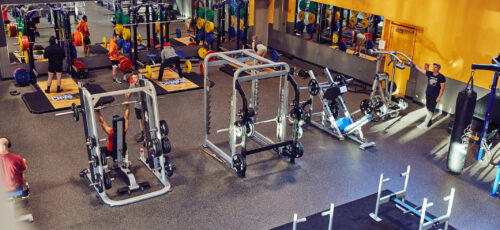
The best core equipment includes cable machines, stability balls, medicine balls, ab benches, and pull-up bars. These tools help train the entire core, upper abs, lower abs, obliques, and deep core muscles, with better resistance and control.
Weighted decline crunches, cable crunches, hanging leg raises, and loaded carries build serious core muscle mass. Adding resistance and progressive overload helps your abs grow thicker and more defined.
HIIT ab workouts, mountain climbers, kettlebell swings, and stability-ball circuits burn calories fast while engaging the entire core. Pairing these with strength training and a calorie deficit helps reduce overall body fat.
Planks, bicycle crunches, leg raises, V-ups, and dead bugs are top equipment-free core exercises. They target upper abs, lower abs, and deep core stability using only body weight.
Core workouts strengthen your abs but don’t directly burn stomach fat. Fat loss happens through a calorie deficit, strength training, and full-body workouts. Stronger abs become visible after body fat drops.
Most people benefit from training the core 3–4 times per week. Rotate between stability, strength, and endurance exercises to target all core muscles without overtraining.