









Medicine Ball Core Workouts You Should Try At The Gym
April 8, 2026
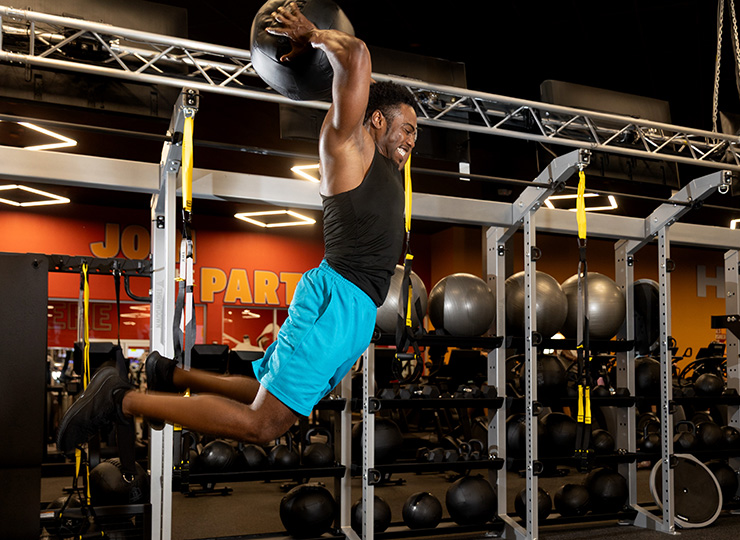
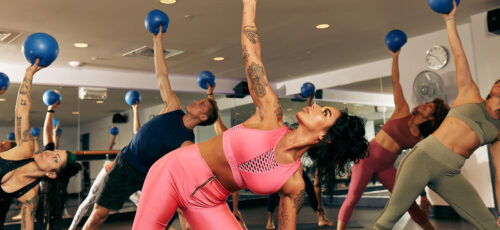
Many people want stronger, more defined abs, but what’s the best way to get them? Medicine ball core workouts are a great way to train your core with resistance, control, and full-body moves. But are these workouts enough for visible abs, or do you need more than just Russian Twists and sit-ups?
Building your abs takes more than doing lots of crunches. You need smart strength training that works the rectus abdominis, obliques, and deeper core muscles like the transverse abdominis.
Using a medicine ball adds resistance, helps improve balance and stability, and builds coordination with moves like squats, Wood Choppers, planks, and rotations that work your core and glutes.
This guide covers the best medicine ball exercises, the benefits of using a medicine ball, how to pick the right weight for your fitness level, and whether you can build muscle with it.
Let’s get started.
Ready to turn up your core strength? These medicine ball workouts challenge your abdominals, obliques, and deeper core muscles, without relying on endless crunches.
Here are 10 effective moves you can add to your workout routine today.
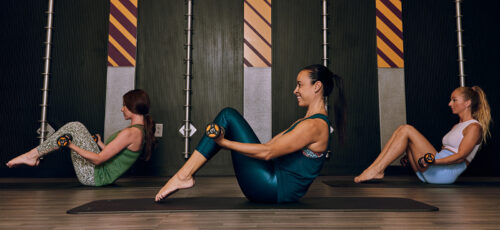
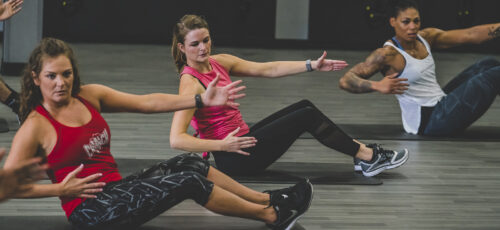
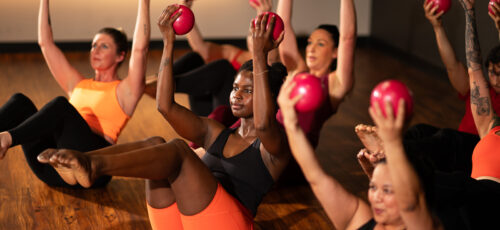
The Russian Twist targets your obliques and midsection through controlled twisting movements.
How to do it:
Tip: Keep your feet on the floor for more balance.
This exercise builds rotational strength and coordination, which are important for training the rectus abdominis and supporting spine stability.
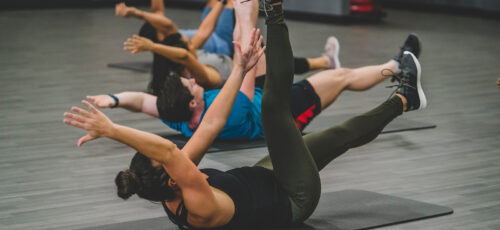
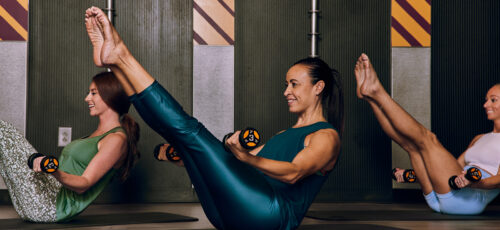
V-Ups combine upper and lower body movement to hit multiple muscle groups at once.
How to do it:
Tip: Bend your knees slightly.
You can think of this as a more intense sit-up. It strengthens your core and tests your muscular endurance.
This is a plank variation that adds movement and extra challenge.
How to do it:
Tip: Shorten the range of motion.
Rollouts work the transverse abdominis and build deep stability, which helps improve balance and full-body control.
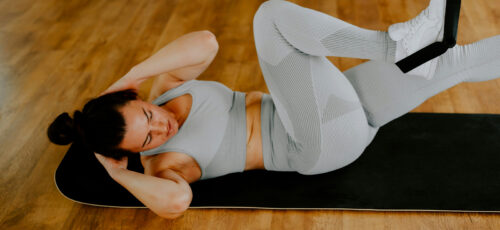
This is a weighted version of the classic bicycle crunch.
How to do it:
Tip: Move slower and focus on control.
This move strengthens your obliques, improves coordination, and adds more resistance than regular sit-ups.
Deadbugs focus on control rather than speed.
How to do it:
Tip: Keep movements smaller.
This exercise improves body awareness, supports spinal mobility, and helps activate your deep core muscles.
Wood Choppers build strength through powerful diagonal movements.
How to do it:
Beginner tip: Use a lighter weight.
This full-body exercise works your obliques, glutes, and hamstrings, and helps build functional strength and explosive coordination.
This is an advanced version of the Russian Twist.
How to do it:
Tip: Keep both knees bent.
This move keeps your ab muscles working longer and requires more balance and stability.
Reverse crunches target your lower abdominals and hip flexors.
How to do it:
Tip: Perform without the ball first.
This exercise strengthens your lower abs and helps you control movement through your pelvis.
A dynamic core and shoulder stabilizer.
How to do it:
Tip: Practice high plank holds first.
This exercise builds core stability, balance, and coordination, and also works your glutes and hip flexors.
This is a plank variation that adds resistance and challenges your ability to resist rotation.
How to do it:
Tip: Widen your stance for more support.
Plank passes build anti-rotational strength, work the transverse abdominis, and help you maintain good plank form.
These Medicine Ball core workouts challenge your body in ways traditional crunches can’t. They build strength, improve balance, and train functional movement patterns. Up next, let’s explain the benefits of using medicine ball exercises, why they are so effective in the first place, and how they help you build stronger abs over time.
Discover more: Core Strength Exercises You Should Do Every Day to Build Strength & Stability.

If you’re thinking about adding medicine ball workouts to your routine, the answer is yes; they’re worth it. These exercises challenge your core, improve stability, and work muscles all over your body in a single move.
Here’s why medicine ball training works so well:
A medicine ball is a simple tool that turns basic exercises into dynamic, core-focused movements.
Another big benefit is accessibility. Medicine ball exercises suit almost any fitness level. Beginners can use lighter weights and slow movements, while advanced users can try moves like rotational slams, Wood Choppers, or plank passes for more challenge.
No matter your fitness goals, whether you want stronger abs, better running form, or a stronger core, medicine ball training fits into almost any workout plan. It’s efficient, flexible, and challenges your body in ways machines often can’t.
Next, let’s see how using a medicine ball can make your core workouts even better.
Simple tools can give great results. A medicine ball might look basic, but it can turn regular core exercises into full-body strength training.
When you move a medicine ball, your body has to react. Your core muscles stabilize your spine, your pelvis stays aligned, and your abdominals engage to control the shifting weight. That constant demand for balance and coordination builds real core strength, not just surface-level ab muscles.
Unlike machines that guide your movement, medicine ball exercises challenge you to stay steady through twisting, squatting, pressing, and even slamming. Your glutes, shoulders, and back muscles work alongside your midsection. It becomes a full-body movement instead of an isolated crunch.
And let’s talk about versatility. You can train slow and controlled for stability, or fast and powerful for explosive strength. You can scale it for beginner workouts or level up with advanced options.
A medicine ball adds variety to your workouts, keeping your core challenged and helping it get stronger.
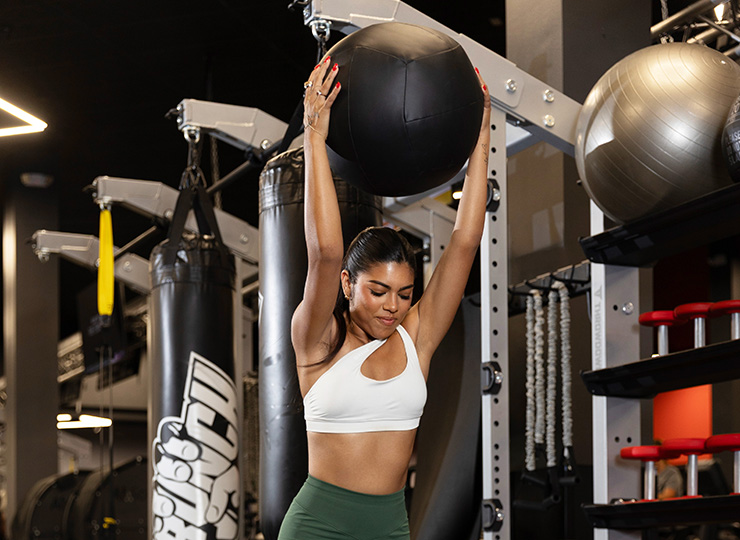
Medicine balls come in many shapes and sizes. Which weight should you choose? It depends on your fitness level, your goals, and the exercises you plan to do.
The right medicine ball should challenge your core, help you stay stable, and let you keep good form. It shouldn’t pull you out of position or strain your back.
Light medicine balls are ideal for fast, explosive movements and for beginners building coordination.
These weights are perfect for:
A 2–4 lb ball works well if you’re new to medicine ball workouts or focusing on speed and control. A 6 lb ball adds slightly more resistance, making it great for HIIT circuits and dynamic core exercises.
Focus on agility and power, not maximum strength, with these lighter balls.
When to use this weight:
Light medicine balls help you build balance, core strength, and explosive power without putting too much stress on your joints or form.
This weight range works well for many people at the gym.
An 8–12 lb medicine ball adds meaningful resistance while still allowing controlled, athletic movement. It’s ideal for intermediate fitness levels looking to build both power and muscular endurance.
Great exercises include:
At this weight, your abdominals, obliques, and glutes have to work harder to stabilize your pelvis and control each repetition. Your core isn’t just moving—it’s resisting force.
When to use this weight:
Medium weights let you balance speed and control, so they’re great for circuit training or strength-based core workouts.
Now we’re talking about strength. Heavier medicine balls shift the focus toward slower, more deliberate movements that build muscle and power. These are best for advanced users who can maintain proper form under load.
Effective movements include:
At 15–25 lbs, your core muscles, back muscles, and glutes work overtime to stabilize your spine and generate force. This weight challenges grip strength, balance, and total-body coordination.
The goal with heavy medicine balls is to focus on controlled power, not speed.
When to use this weight:
If the ball pulls you forward or your back arches excessively, it’s too heavy.
Still unsure which medicine ball is right for you? Use these simple guidelines:
A good rule of thumb is to feel challenged, but never lose control of your spine or pelvis.
Many people benefit from using different weights in one workout. Use lighter balls for speed drills and heavier ones for strength sets. This variety keeps your core working and your training balanced.
Choosing the right medicine ball weight isn’t about showing off; it’s about training with purpose. Train smart, move well, and let your core do the work.
Read more: Which Core Workouts at the Gym Can Help You Get a 6-Pack Quickly?
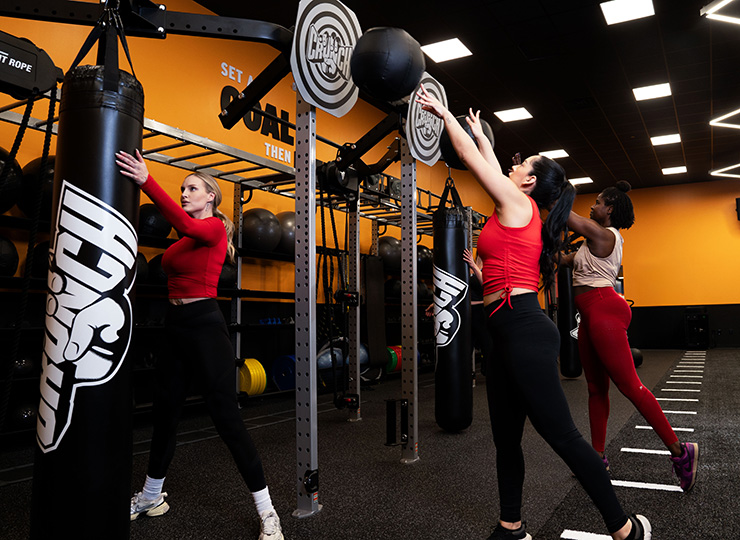
Yes, you can build muscle with a medicine ball, especially if you train with intention.
Muscles grow when they work against resistance and are challenged over time. A medicine ball gives you that resistance, especially during slow, strength-focused moves like squat-to-press, rotational throws, slams, and weighted core exercises.
When you slow down and focus on good reps, your core, glutes, shoulders, and back all have to stabilize and create force.
Heavier medicine balls increase time under tension, which supports muscular endurance and strength development. Your abdominals and obliques don’t just move the weight; they control it, protect your spine, and resist rotation.
A medicine ball won’t replace heavy barbells for building the most muscle, but it’s a great part of a balanced strength routine. It helps you build functional muscle for power, stability, and athletic performance.
So, it’s not just about getting abs; it’s about building a stronger, more capable body overall.
Building stronger abs takes more than just doing crunches. You need a plan, the right tools, and a place that helps you stay on track. Here’s how Crunch can help you reach your core strength goals.
Strong and toned abs begin with a smart plan. Trainers will look at your fitness level, how you move, and your core stability to create a program that works for your abs, obliques, and deeper core muscles. You get exercises that fit your body, not just a one-size-fits-all routine.
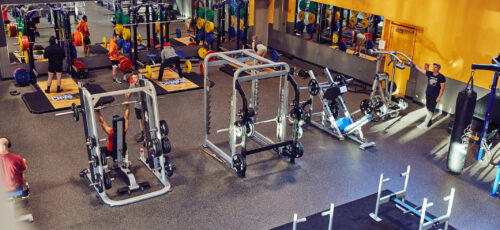
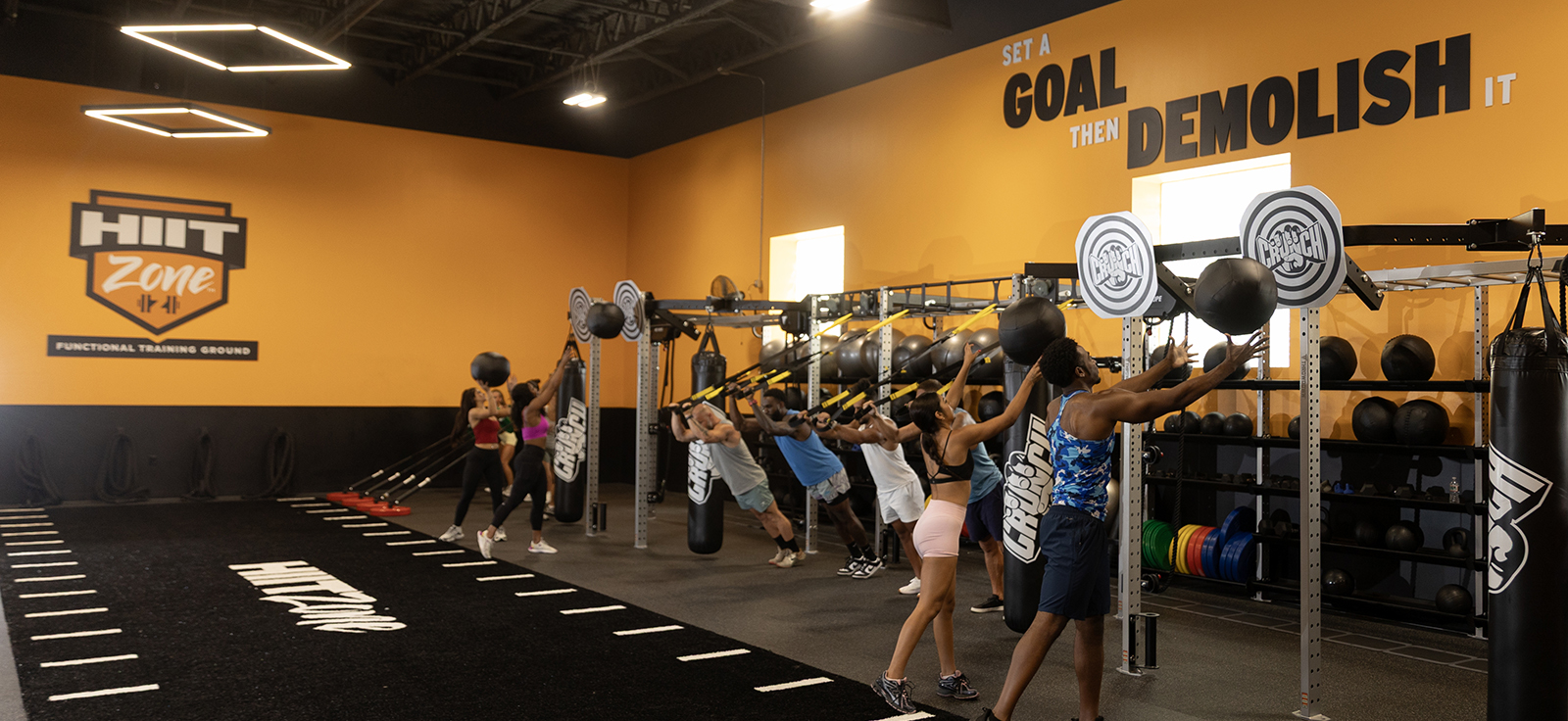
You’ll find medicine balls, slam balls, functional training zones, and open floor space. This equipment helps you work on balance, resistance, and full-body coordination. It’s a great setup for dynamic core workouts.
Group classes like HIIT, strength training, or athletic conditioning make core workouts more fun. The energy, structure, and support help you stay on track. When you’re consistent, you see results.
Crunch promotes a culture of positivity, inclusivity, and fun with no judgments by providing an environment for all individuals, regardless of their health and fitness goals. Find a Crunch gym near you to try our free trial membership, or join Crunch now. We’re here for you – at the gym or at home. Access the best live & on-demand workouts anytime, anywhere with Crunch+. Ready to get sweaty? Try hundreds of workouts for free! Start your free trial now!
A slam ball is designed to be thrown hard at the ground without bouncing, while a medicine ball can bounce and is used for a wider variety of movements. Slam balls are best for powerful slams and conditioning, while medicine balls support core workouts, rotational exercises, and full-body strength training. Both can help build core strength, but medicine balls offer more versatility for abs-focused movements.
You can add medicine ball exercises to your core workouts 2–3 times per week. That frequency allows your core muscles to recover while still building strength and stability. Focus on quality movements like rotational throws, plank variations, and controlled slams.
For beginners, controlled medicine ball core workouts like Russian Twists, seated torso rotations, and light plank passes target the abdominals effectively. These movements activate the rectus abdominis and obliques without overwhelming your balance. Start light and prioritize proper form.
Yes, you can perform light core strength exercises daily if they’re low intensity and focused on stability. Movements like planks, dead bugs, or light medicine ball drills support spinal alignment and core endurance. Just avoid heavy resistance training for the abs every single day to allow recovery.