









Does Red Light Therapy Actually Work? The Science Behind the Hype | Crunch Fitness
October 1, 2026
The information provided in this article is intended for educational purposes only and should not be considered medical advice. Always consult a qualified healthcare provider before making decisions about your health or treatment.
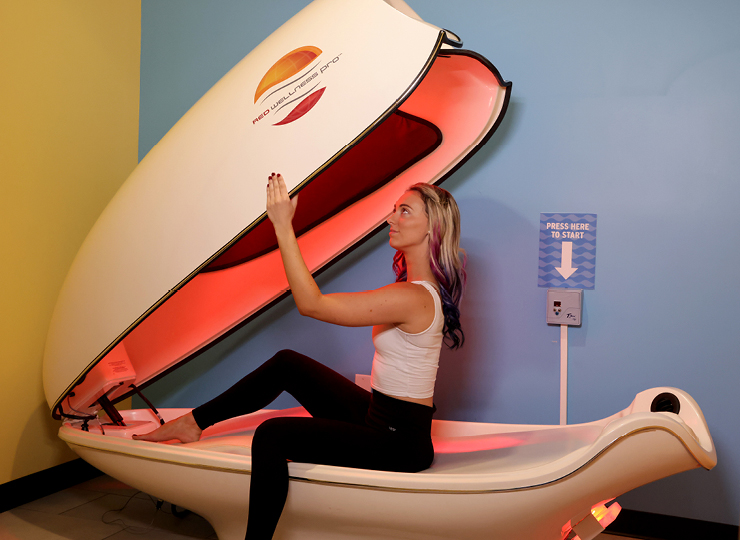
Does red light therapy really work, or is it just recovery with nice lighting? This treatment has gone from sports clinics to gyms and homes, promising help for skin, sore muscles, and pain. But the science is more complicated than the marketing suggests.
Research shows that red and near-infrared light might help with recovery, but results depend on the device, dose, treatment area, and your reason for using it. So, will a few minutes under red light help your body recover, or just make your routine look more high-tech?
In this guide, Crunch looks at what red light therapy might help with, what to expect during a session, and what research says about recovery. We’ll also compare it to stretching, cold therapy, saunas, heat, massage, and foam rolling. Plus, we’ll cover how long sessions last, how often to use it, and why you should check device claims before trying it.
Ready to find out what really works? Let’s get started.
Red light therapy, also known as photobiomodulation, is used for skin issues, muscle recovery, and pain relief. It works by shining red or near-infrared light on your skin, which may affect how your cells work and heal. While it sounds advanced, it’s not a miracle cure. Results depend on your condition, the type of light, dose, treatment area, and how often you use it.
Does red light therapy work? There’s good evidence for some uses, but for others, more research is needed. It’s best to see it as something that can help your recovery routine, but not as the main focus.
Red light therapy is best known for helping with skin. It may support collagen production, wound healing, and improve skin texture or redness by affecting how cells handle inflammation and repair. For example, if you use it for fine lines, you might see changes after several sessions, but not instantly after one visit.
A review of clinical applications found a reasonable body of evidence supporting low-energy red and near-infrared light for skin rejuvenation, acne, and hair loss. However, the researchers highlighted small study groups, methodological limitations, and industry funding. In other words: promising glow, but keep expectations grounded.
Red light therapy should complement, not replace, care recommended by a dermatologist, especially for persistent acne, eczema, psoriasis, wounds, or suspicious skin changes.
After a tough workout, red light therapy may help your muscles recover. Researchers think photobiomodulation can affect inflammation, blood flow, and how cells produce energy, all of which are important for repairing muscles after exercise.
A 2024 meta-analysis of 34 randomized controlled trials found that pre-exercise photobiomodulation supported several aspects of muscular performance and recovery. According to the researchers, “pre-application of PBMT significantly improved muscle endurance, recovery of muscle strength and injuries in physically inactive individuals and athletes.”
The response was not the same across all participants, however. The researchers found no significant benefit among physically active individuals, showing that training status may influence the outcome. Differences in treatment protocols also make it difficult to apply these findings to every device or user. For gym-goers, red light therapy may offer recovery support, but a session does not guarantee greater endurance, faster strength recovery, or less muscle soreness.
It can’t fix a strained muscle overnight or take the place of sleep, good nutrition, smart training, and active recovery. Including flexibility and stretching exercises can help you recover more fully.
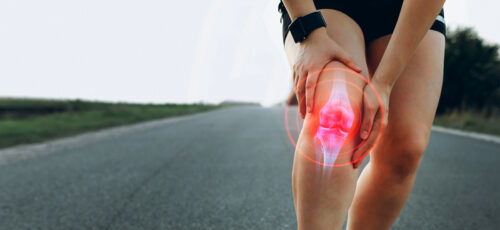
Red light therapy may help reduce some types of muscle and joint pain by affecting inflammation and pain signals. For example, if your knee hurts during stairs or squats, light therapy might make it feel better for a while, but it won’t find the cause or fix your movement.
A 2024 systematic review and meta-analysis evaluated 10 studies involving 542 people with knee osteoarthritis. The researchers concluded that “PBM reduces pain intensity in patients with knee osteoarthritis and may improve disability.” However, the authors also said the evidence “does not allow recommending its isolated use.”
The distinction is important because not every improvement was clinically meaningful or greater than the placebo response. Photobiomodulation reduced resting pain, but it did not produce significant improvements in every functional measurement examined. The certainty of the evidence was rated very low, so red light therapy may be better viewed as a complement to exercise, physical therapy, and other recommended treatments, not a stand-alone solution for knee pain.
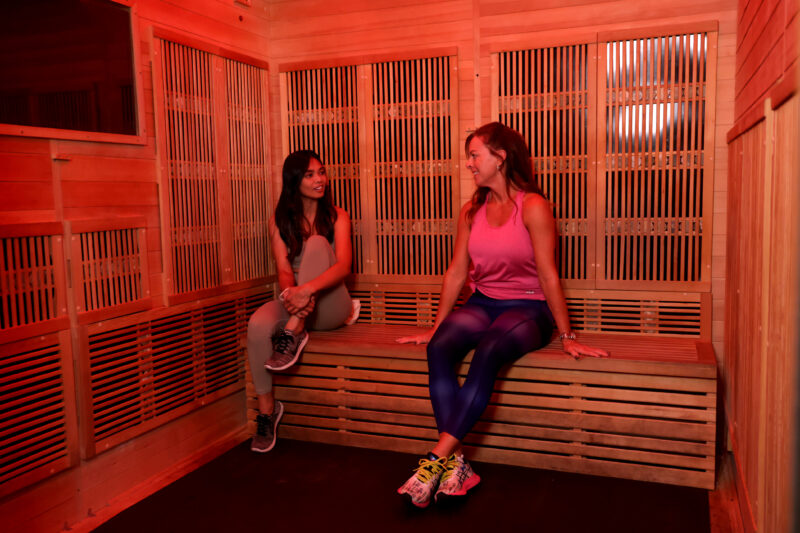
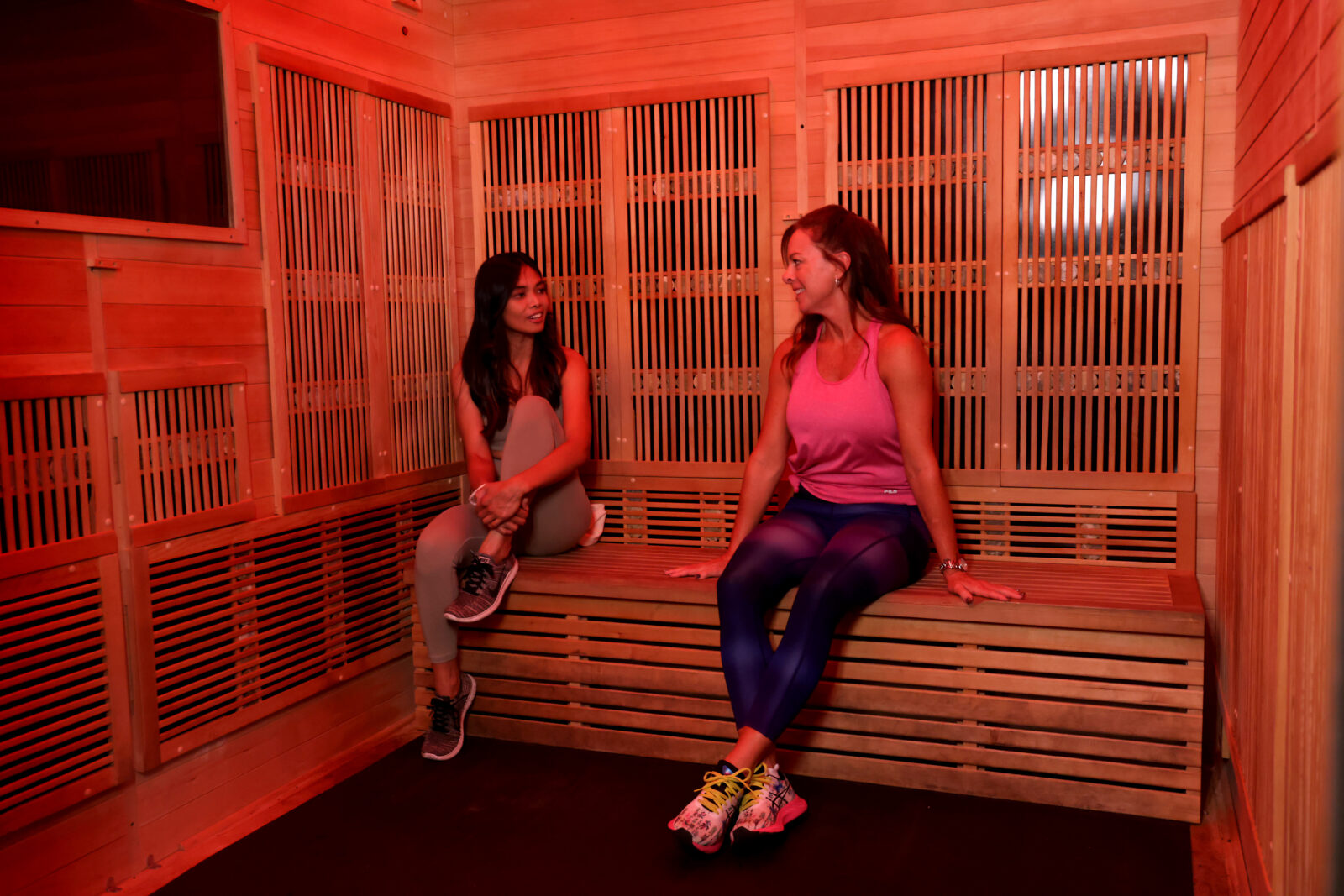
During a red light therapy session, you sit, stand, or lie near a panel or inside a full-body unit while red and near-infrared light shines on your body. There’s no exercise involved, so you can simply relax during the session.
Before starting, follow the facility’s instructions regarding clothing, lotions, jewelry, and eye protection. Tell staff about light-sensitive health conditions or medications that may increase sensitivity to light. The American Academy of Dermatology advises users to “follow the directions that come with the FDA-cleared device” and “always use the device as described.” Wear the recommended eye protection whenever instructed.
The treatment is noninvasive and should not hurt. As the AAD explains, “It’s a non-invasive treatment that uses red or near-infrared light.” Some people notice mild warmth, while others feel very little. It is not a tanning session because therapeutic red light does not use the ultraviolet radiation responsible for tanning and sunburn.
Pay attention to how the treated area feels during and after the session. The AAD reports that the most common short-term side effects are mild, including temporary skin irritation or discomfort. Stop the session and speak with staff or a qualified healthcare professional if you experience persistent pain, redness, eye discomfort, or another unexpected reaction.
Beginners might use the session to relax after learning new exercises, while experienced lifters may schedule it after tough strength workouts. Runners, cyclists, and other athletes can target muscles that have worked hard as part of their recovery. No matter your experience, make sure the device, dose, distance, and treatment area fit your own goals.
If you want to check more information, read our article: What Does Red Light Therapy Do? Benefits, Uses, and What to Expect
Research suggests red light therapy may offer some recovery benefits, especially when used before exercise. The best results include less fatigue, less soreness, and lower levels of muscle damage markers. However, it won’t give you instant strength or dramatic results.
A Sports Health meta-analysis examined 14 randomized controlled trials involving high-level soccer and volleyball players. Photobiomodulation did not significantly improve maximal voluntary contraction, a measure of force production. However, it increased repetitions before fatigue and lowered creatine kinase, or CK, a blood marker commonly used to assess exercise-induced muscle damage. Results differed by sport: volleyball players showed clearer endurance improvements, while soccer players experienced larger reductions in CK.
Another 2025 systematic review and meta-analysis evaluated 19 studies with 672 healthy adults. It found low-certainty evidence that photobiomodulation used before exercise reduced muscle soreness and improved performance 24 hours after exercise-induced muscle damage. “Low certainty” matters; it means the finding is promising but could change as stronger studies become available.
Research reviewed by sports medicine doctor Jeffrey Peng shows that using red light therapy before exercise works better than after. However, the details of how it’s used, like the type of light, dose, timing, and area, can vary a lot. Just because one treatment works doesn’t mean every device will. For most people, red light therapy can help with recovery, but sleep, nutrition, hydration, smart training, and rest are still the most important parts.
Red light therapy uses certain wavelengths of light to affect your cells, while most other recovery methods use movement, temperature, or pressure. Is it better? Not always. The best method depends on whether you want to stay flexible, reduce soreness, relax tight muscles, or get ready for your next workout.
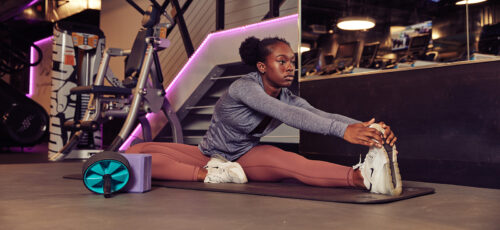
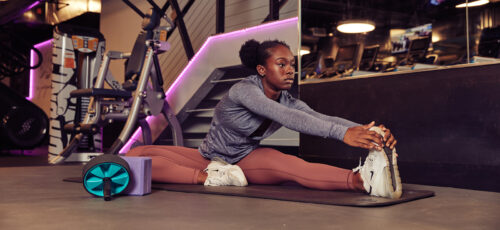
Active recovery means moving your body with easy walking, cycling, yoga, or mobility exercises. Unlike red light therapy, it gets your joints and muscles working, which helps if you feel stiff. Stretching can make you more flexible and improve your range of motion, but it won’t fix muscle damage on its own.
Crunch’s guide to active recovery and rest-day techniques explains how gentle movement can support a balanced routine. Red light therapy may complement these habits, but it cannot move your hips for you.
Cold therapy rapidly lowers tissue temperature and may temporarily reduce soreness, swelling, and pain after intense exercise. That makes it popular after races, contact sports, or training in which the body feels beaten up.
Red light therapy doesn’t numb the area as cold therapy does. It’s usually chosen for its possible effects on cell recovery, not for quick relief. Cold therapy works fast, while red light therapy may take longer to show results.
A sauna heats your whole body, making you sweat, relax, and increasing circulation for a short time. Red light therapy uses specific light wavelengths and doesn’t make the room hot.
The benefits of sauna use may appeal to gym-goers seeking whole-body relaxation, while red light therapy may better suit a targeted recovery goal. Hydration always matters throughout recovery, especially after training.
Local heat, like a heating pad, warm bath, or heated tool, can loosen stiff muscles and make movement easier. It’s often helpful before gentle mobility exercises or when you feel more tension than swelling. Red light therapy might feel warm, but that’s not how it mainly works. Heat therapy warms the area, while red light therapy works at the cellular level.
Massage uses pressure and movement to help you relax, reduce tension, and ease soreness for a while. Unlike a light panel, massage can focus directly on a specific tight spot, like a knot near your shoulder blade.
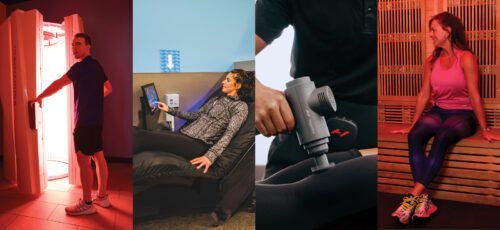
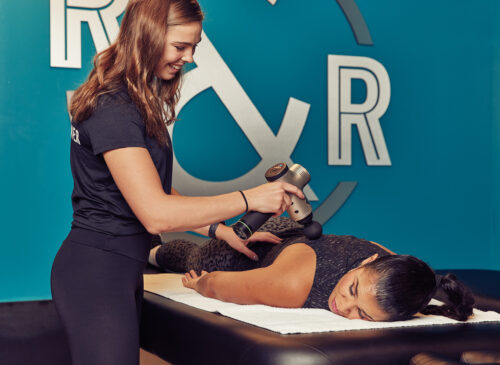
For a self-directed option, red light therapy may be more convenient. For hands-on relief, massage has the advantage. Select Crunch clubs offer customizable HydroMassage through Relax & Recover, with amenities varying by location.
Foam rolling is a low-cost, portable way to temporarily improve your range of motion and reduce soreness after a workout. It takes some effort and can feel intense on tight muscles. Red light therapy is more passive but usually needs special equipment.
Crunch’s guide to improving flexibility explains how foam rolling can support soft-tissue mobility. You do not have to pick one. Rolling first and using red light afterward may fit into the same recovery routine.
A red light therapy session commonly lasts several minutes to about 20 minutes, but there is no universal countdown that works for every device or goal. A facial mask, localized muscle panel, and full-body unit deliver light differently. The Cleveland Clinic’s LED therapy guide notes that an in-office session may last around 20 minutes, while instructions for home devices vary.
How long you use the device isn’t the only thing that matters. The type of light, its strength, how far you are from the panel, the area you treat, and how long you use it all play a role. Standing farther away for 10 minutes isn’t the same as sitting closer for 10 minutes. Always follow the instructions for your device instead of copying routines from people online.
A device might look very bright but still not give you the details you need. Marketing often highlights total wattage, number of LEDs, or terms like “medical grade,” but may leave out important information like wavelength, light strength at a certain distance, or recommended energy dose. A review found that differences in these factors help explain why study results can be so different.
“FDA-cleared” also needs context. The FDA explains that 510(k) clearance generally means a device was found substantially equivalent to a legally marketed device. Clearance for one intended use does not prove every recovery, skin, fat-loss, or performance claim printed on the box. Look for transparent specifications, realistic claims, safety instructions, and evidence involving the actual device or an equivalent protocol.
Red light therapy is usually repeated consistently rather than treated as a one-session miracle. The American Academy of Dermatology says home-device schedules vary and recommends following the accompanying directions. Cleveland Clinic notes that some professionally supervised skin protocols involve one to three sessions weekly for several weeks or months, but that frequency should not be copied automatically for workout recovery.
More is not always better. With photobiomodulation, too little light might not help, but too much can reduce benefits or cause irritation. Beginners should follow the device’s recommended schedule, keep distance and timing the same, and track one result, like soreness after a workout. If you notice ongoing redness, pain, burns, or eye discomfort, stop and talk to a professional.
Crunch helps members recover by offering training plans, a variety of equipment, and fun classes. Red light therapy can be part of your routine, but real recovery starts with good training, regular rest, and workouts that fit your abilities.
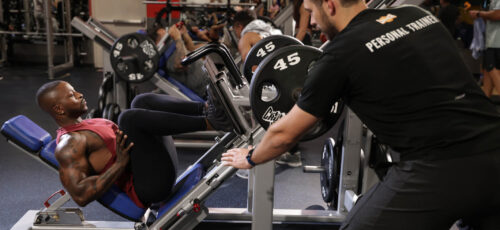
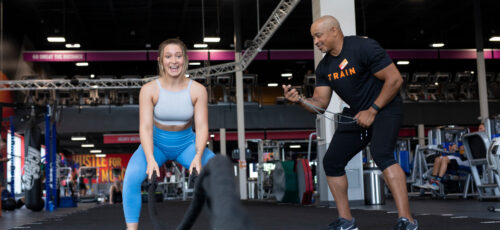
Training harder is not always the answer. Sometimes the smartest move is adjusting workout intensity, exercise selection, volume, or rest periods. Through a CrunchONE Kickoff and personal training, members can discuss their fitness goals, training history, experience level, and current routine with a fitness professional.
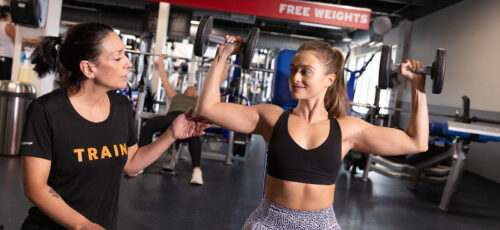
A structured program can balance tough workouts with lighter sessions, mobility exercises, and rest days. Trainers can track your progress and change exercises if something feels off. They can’t diagnose injuries, but they can help you avoid overdoing it in every workout.
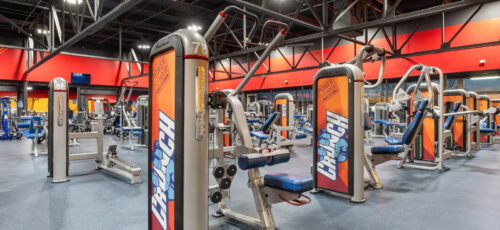
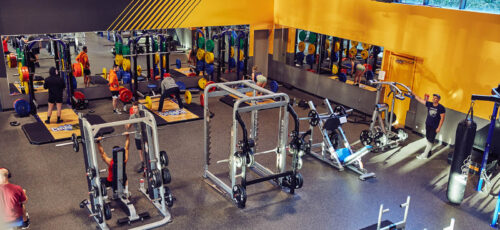
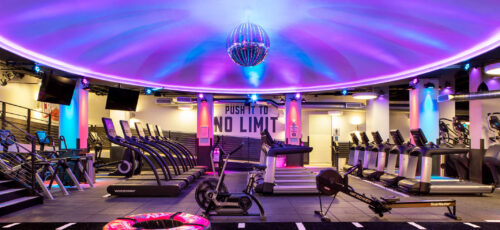
Crunch locations provide strength machines, cardio equipment, free weights, stretching areas, and functional training tools that allow members to vary their routines. That flexibility matters when your body is not ready for another maximum-effort workout.
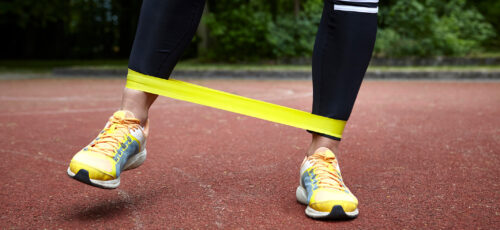
If you don’t want to skip movement, you can try light cycling, resistance-band exercises, mobility drills, or a gentle full-body workout. Some locations also have recovery equipment and Relax & Recover amenities. Check with your local Crunch Fitness to see what’s available, since amenities can differ.
Recovery doesn’t mean you have to stay still. Low-impact movement can keep you active without putting extra stress on your body.
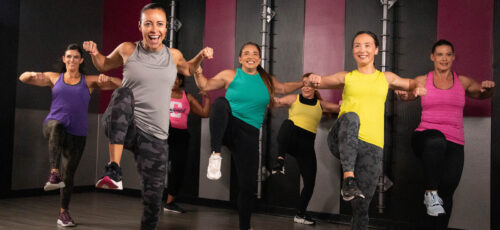
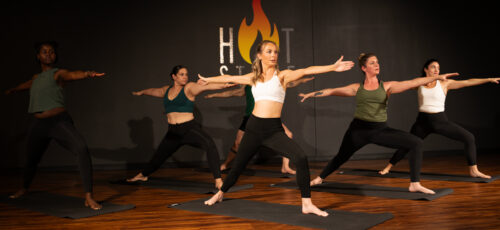
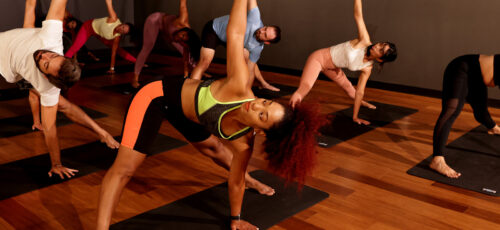
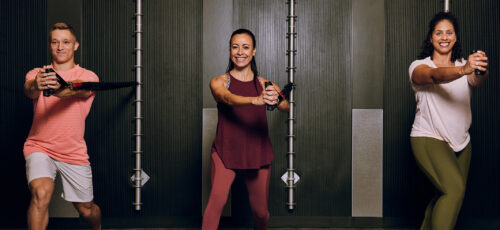
Depending on the club schedule, members may explore yoga, Pilates, mobility-focused formats, cycling, or lower-intensity classes. These options can support flexibility, movement quality, and consistency while giving heavily trained muscles a break.
Crunch’s guide to group fitness classes can help you find a class that fits your energy and experience. The best recovery routine is one that helps you come back feeling ready, not one that feels like extra work.
Crunch promotes a culture of positivity, inclusivity, and fun with no judgments by providing an environment for all individuals, regardless of their health and fitness goals. Find a Crunch gym near you to try our free trial membership, or join Crunch now. We’re here for you – at the gym or at home. Access the best live & on-demand workouts anytime, anywhere with Crunch+. Ready to get sweaty? Try hundreds of workouts for free! Start your free trial now!
Red light therapy might help with muscle recovery, lowering inflammation, improving skin, easing joint pain, and helping wounds heal. Research looks promising, but it works best when you use it along with other healthy habits.
Yes, red light therapy is a real treatment that has been studied for many years. Research shows it can help with skin health, muscle recovery, and pain, but more studies are needed for some uses.
Red light therapy does not hurt and usually feels warm and relaxing. Most people just sit or stand in front of the device while the light shines on their skin for a few minutes.
Yes, you can use red light therapy at home with a quality device designed for personal use. Professional equipment may provide higher power and larger treatment areas, but consistency and proper use are important regardless of the device.
Red light mainly works on the surface of your skin, so it is often used for skin health and boosting collagen. Near-infrared light goes deeper into muscles and joints, so people use it to help with recovery and soreness.
Red light therapy might help with joint pain by helping your body heal and lowering inflammation. Many people use it along with exercise, stretching, and advice from a healthcare professional for the best results.
No, red light therapy is not a substitute for stretching, rest days, or eating well. It works best when you also exercise, get good sleep, drink enough water, and follow healthy recovery habits.